Archives
- 2026-10
- 2026-09
- 2026-08
- 2026-07
- 2026-06
- 2026-05
- 2026-04
- 2026-03
- 2026-02
- 2026-01
- 2025-12
- 2025-11
- 2025-10
- 2025-09
- 2025-03
- 2025-02
- 2025-01
- 2024-12
- 2024-11
- 2024-10
- 2024-09
- 2024-08
- 2024-07
- 2024-06
- 2024-05
- 2024-04
- 2024-03
- 2024-02
- 2024-01
- 2023-12
- 2023-11
- 2023-10
- 2023-09
- 2023-08
- 2023-07
- 2023-06
- 2023-05
- 2023-04
- 2023-03
- 2023-02
- 2023-01
- 2022-12
- 2022-11
- 2022-10
- 2022-09
- 2022-08
- 2022-07
- 2022-06
- 2022-05
- 2022-04
- 2022-03
- 2022-02
- 2022-01
-
Very recently Niessen et al have described the
2024-10-24
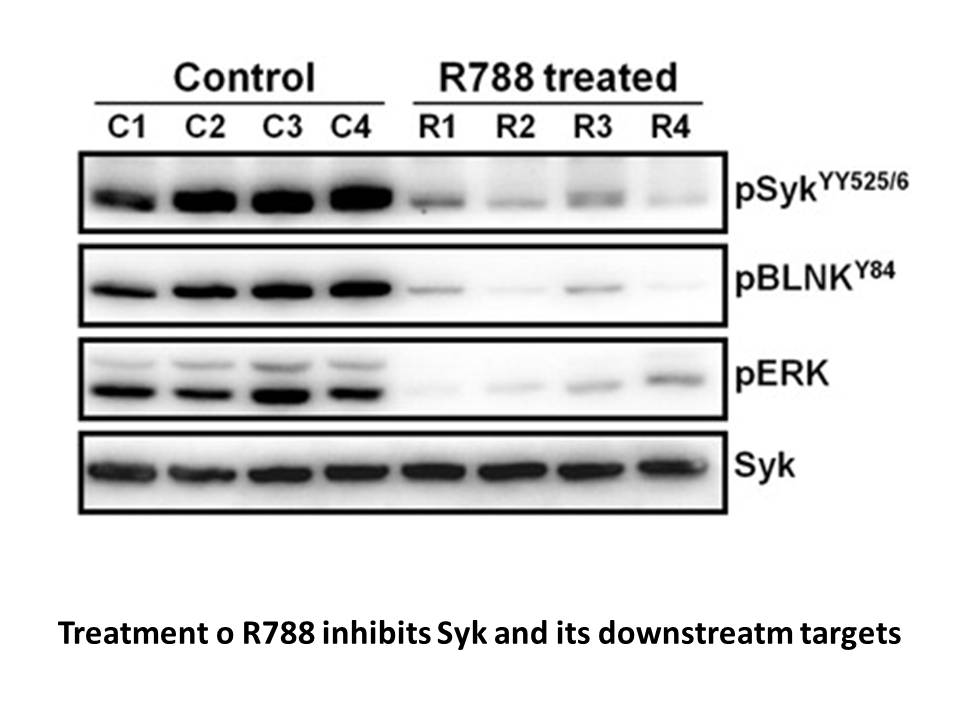
Very recently, Niessen et al. have described the resensitizing effect of MB327 on nAChR performing solid-supported membrane (SSM)-based electrophysiological experiments (Niessen et al., 2016) using plasma membrane preparations obtained from Torpedo californica. These findings validated and underline
-
Finasteride has been shown to be a mechanism based inhibitor
2024-10-24
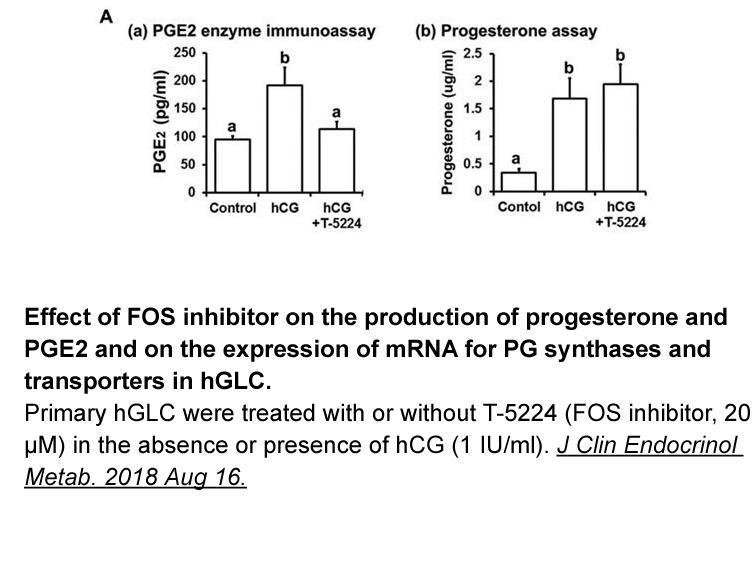
Finasteride has been shown to be a mechanism-based inhibitor of 5AR-2 [9]. Finasteride acts as an alternate substrate for 5AR-2 and is initially bound in an extremely stable enzyme-bound NADP-dihydrofinasteride adduct which is ultimately processed to dihydrofinasteride. The NADP-dihydrofinasteride a
-
Considering the physicochemical stability results on Fig it
2024-10-24
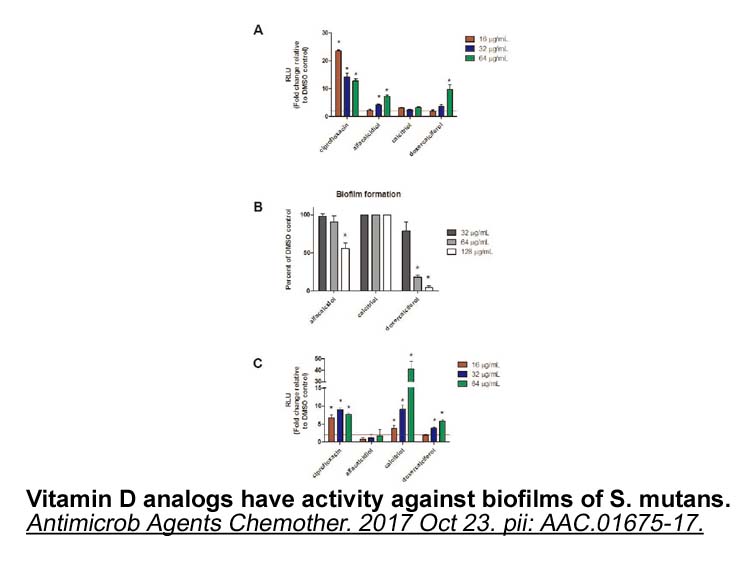
Considering the physicochemical stability results on Fig. 5, it was observed that the particles are stable when they are stored at 4 °C for 30 days. After day 30, a significant increase was observed in particle size, but at the end of the 90 days the SLN particle size is still below 100 nm. Stabilit
-
Several dehidropregnenolone derivatives functionalized at C
2024-10-24
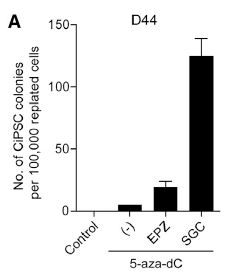
Several 16-dehidropregnenolone derivatives functionalized at C3, C4, C5 and C6 (Fig. 7) were prepared and evaluated as 5α-reductase inhibitors bearing in mind that after the formation of an enzyme-steroid complex a nucleophilic portion of the enzyme attacks the double bond of the steroid through Mic
-
Several approved and or experimental drugs together
2024-10-24
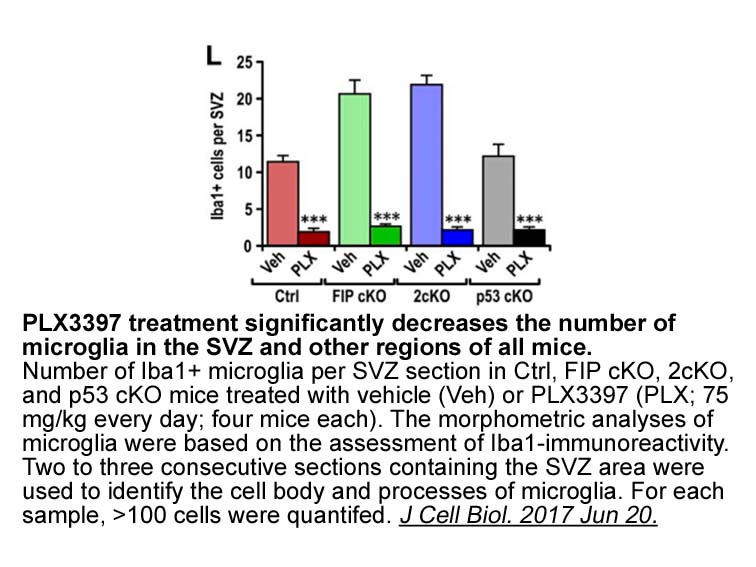
Several approved and/or experimental drugs, together with natural compounds, have been reported to induce autophagy in different cancer types [70], [71], [72] (Table 1). In the next paragraphs, we will review more in detail a group of these agents selected in relation to their promising future outco
-
In liver the essential organ of lipoprotein synthesis ACL pl
2024-10-24
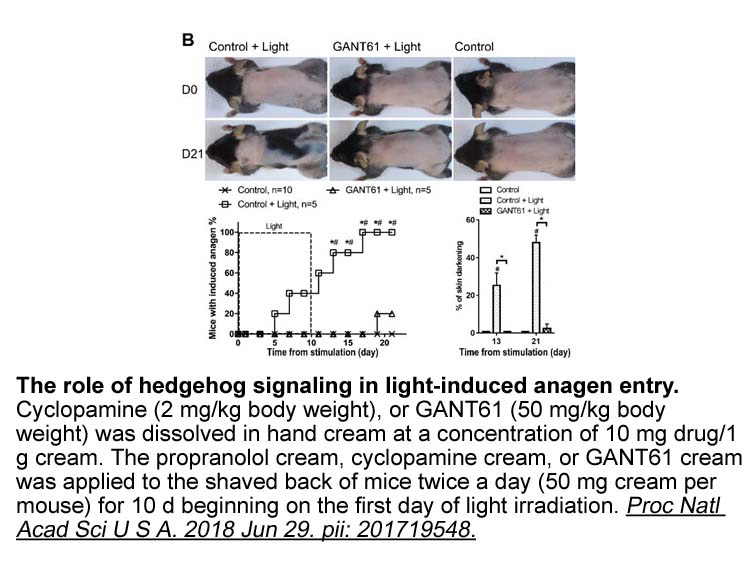
In liver, the essential organ of lipoprotein synthesis, ACL plays a fundamental role in lipogenesis and steroidogenesis by supplying cytosolic comt inhibitor to both pathways. By using a tricarboxylic acid cycle intermediate (citrate) to produce acetyl CoA, ACL can be seen as an important bridge be
-
Chromatin proteins play important roles in gene expression a
2024-10-24
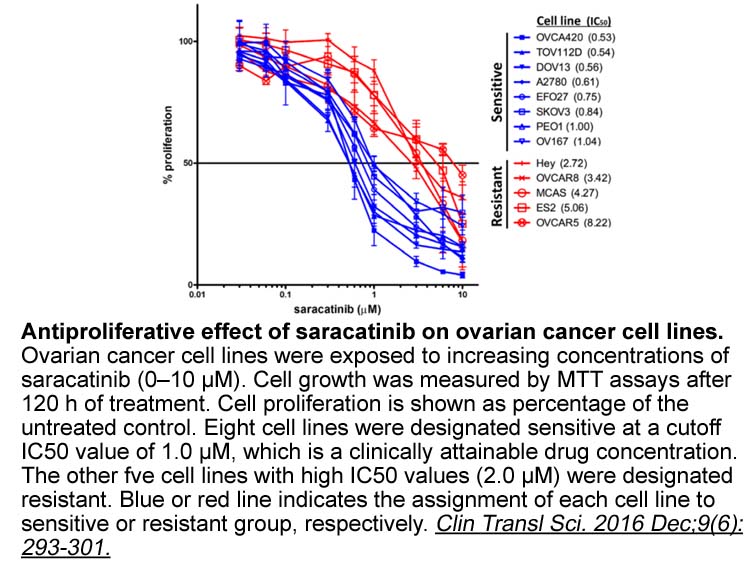
Chromatin proteins play important roles in gene expression and DNA repair. The importance of chromatin composition on gene expression is exemplified by X-inactivation, where one of the two X chromosomes in female mammalian Ginsenoside Rd is transcriptionally silenced by heterochromatin , , , . In t
-
From an historical perspective ligands for GPCRs
2024-10-24
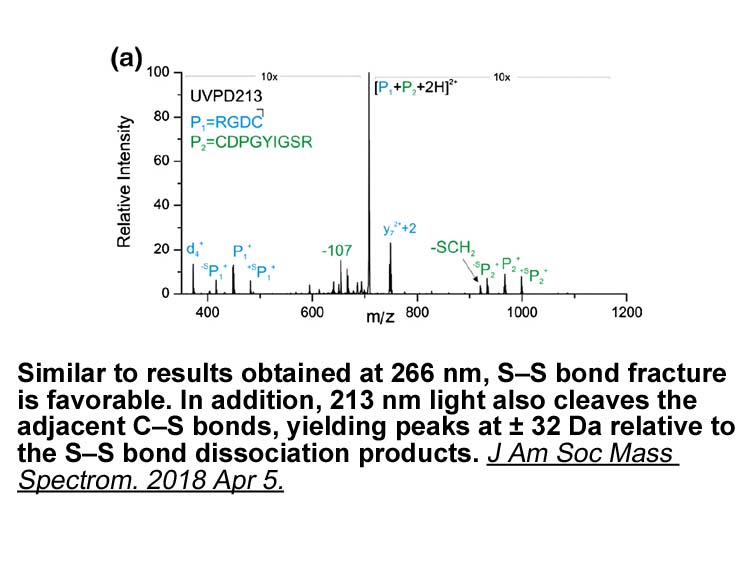
From an historical perspective, ligands for GPCRs (adrenaline, serotonin, gsk3beta or morphine, to name a few) have been identified before their receptor counterparts, at a time when the concept of receptor itself was controversial [15]. Although many cognate receptors for endogenous ligands were r
-
Thirdly and finally multiple studies have analyzed
2024-10-24
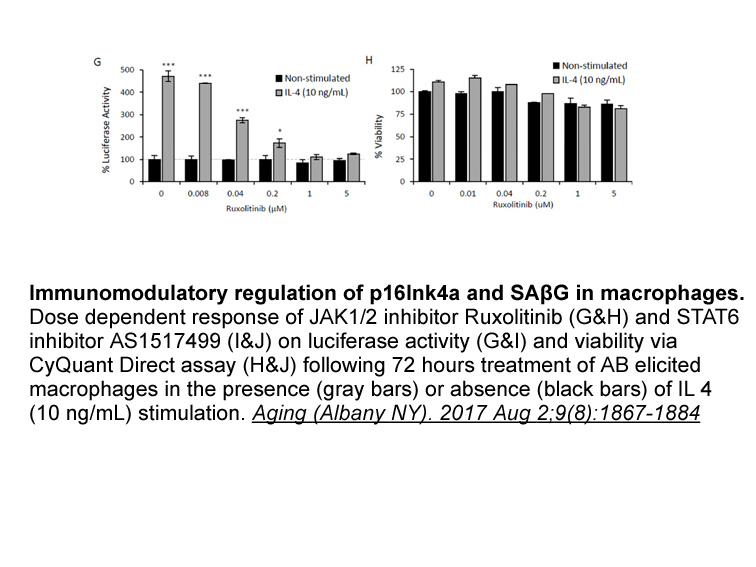
Thirdly and finally, multiple studies have analyzed the activation of neurons in the auditory telencephalic areas of songbirds in response to various auditory stimuli. Neuronal activation was identified by the increased expression of immediate early genes such as fos or ZENK (also know as zif-268, e
-
Sorafenib was the first small
2024-10-24
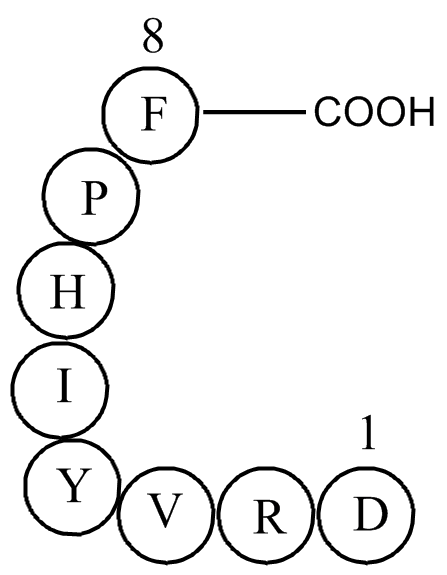
Sorafenib was the first small RTK inhibitor drug to be developed and was initially approved against renal cell carcinoma, then against hepatocellular carcinoma (HCC) and more recently for differentiated thyroid treatment [111]. Sunitinib soon followed, being approved for gastrointestinal stromal tum
-
In the current investigation we studied the effect of propof
2024-10-23
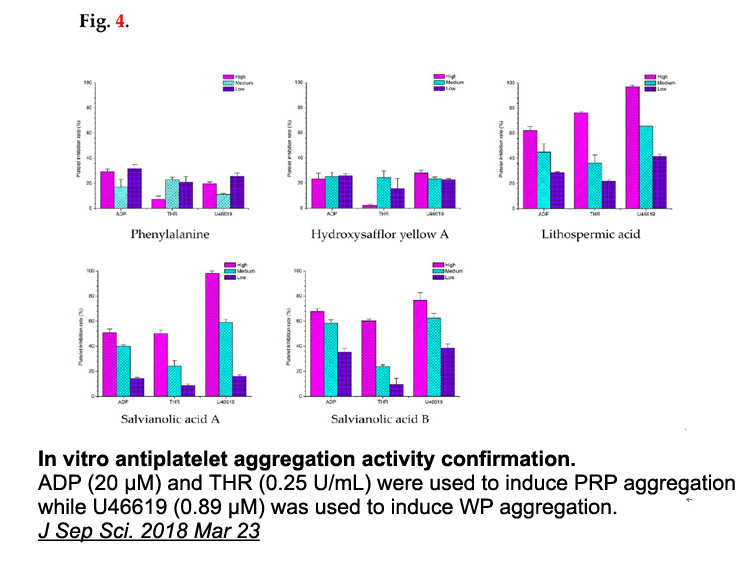
In the current investigation, we studied the effect of propofol on prostate cancer cells. Propofol is one of the most commonly used drugs in the critical care setting and for the induction of general anesthesia and moderate and deep sedation intraoperatively. Recent studies indicated that propofol e
-
br Perspectives br Acknowledgments This investigation was su
2024-10-23
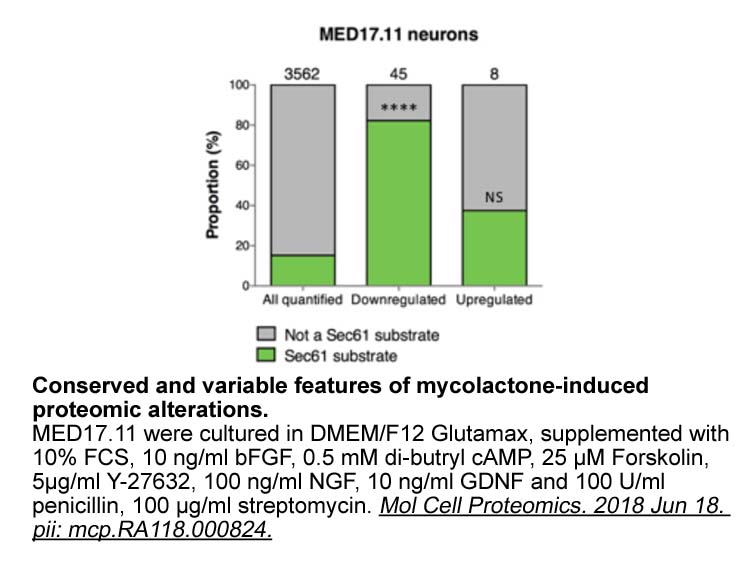
Perspectives Acknowledgments This investigation was supported by a Research Grant 2010/01385-5 from FAPESP (Sao Paulo Research Foundation, Brazil). P.F.S. was recipient of a CNPq (National Council for Scientific and Technological Development, Brazil) productivity grant. R.F.A. was recipient of
-
Recent genome wide association studies have indicated SORL
2024-10-23
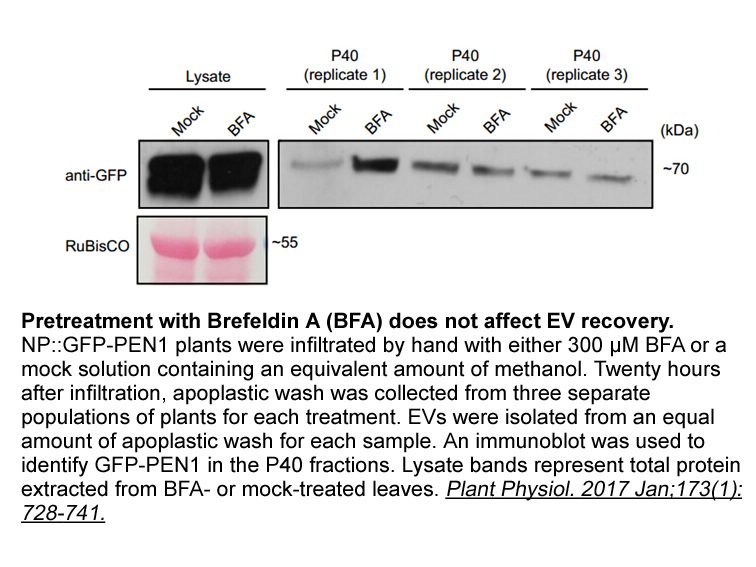
Recent genome-wide association studies have indicated SORL1 as a risk factor for AD (Meng et al., 2007, Rogaeva et al., 2007, Wen et al., 2013). SORL1, is expressed in neurons (Yin et al., 2015) and also regulates APP traffic from the cell membrane to the Golgi apparatus. A reduction in its expressi
-
Thus we presumed that ALDH A
2024-10-23
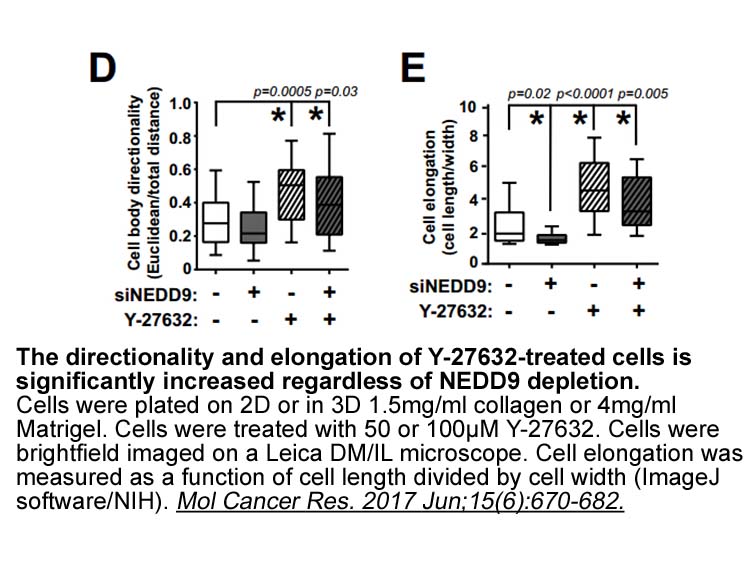
Thus, we presumed that ALDH1A3 might play an important role in TMZ-chemoresistance in glioblastoma patients. As we expected, the glioblastoma cell lines and primary glioma Caspase-6, human recombinant protein were more sensitive to TMZ treatment when ALDH1A3 was inhibited or depleted. Consistently,
-
Microbe derived ligands can also activate AHR
2024-10-23
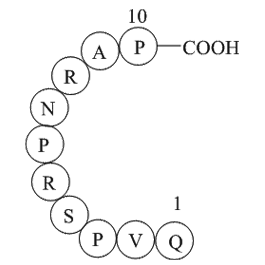
Microbe-derived ligands can also activate AHR. Malassezia, a commensal yeast in human skin, can metabolize tryptophan into several AHR activating compounds including FICZ and ICZ [59]. Lactobacillus converts tryptophan into indole-3-aldehyde (IAld), which can activate AHR and promote IL-22 productio
8627 records 99/576 page Previous Next First page 上5页 96979899100 下5页 Last page