Archives
- 2026-06
- 2026-05
- 2026-04
- 2026-03
- 2026-02
- 2026-01
- 2025-12
- 2025-11
- 2025-10
- 2025-09
- 2025-03
- 2025-02
- 2025-01
- 2024-12
- 2024-11
- 2024-10
- 2024-09
- 2024-08
- 2024-07
- 2024-06
- 2024-05
- 2024-04
- 2024-03
- 2024-02
- 2024-01
- 2023-12
- 2023-11
- 2023-10
- 2023-09
- 2023-08
- 2023-07
- 2023-06
- 2023-05
- 2023-04
- 2023-03
- 2023-02
- 2023-01
- 2022-12
- 2022-11
- 2022-10
- 2022-09
- 2022-08
- 2022-07
- 2022-06
- 2022-05
- 2022-04
- 2022-03
- 2022-02
- 2022-01
- 2021-12
- 2021-11
- 2021-10
- 2021-09
- 2021-08
- 2021-07
- 2021-06
- 2021-05
- 2021-04
- 2021-03
- 2021-02
- 2021-01
- 2020-12
- 2020-11
- 2020-10
- 2020-09
- 2020-08
- 2020-07
- 2020-06
- 2020-05
- 2020-04
- 2020-03
- 2020-02
- 2020-01
- 2019-12
- 2019-11
- 2019-10
- 2019-09
- 2019-08
- 2019-07
- 2019-06
- 2019-05
- 2019-04
- 2018-11
- 2018-10
- 2018-07
-
Previous in vitro studies have demonstrated that DNA PK defi
2020-06-05
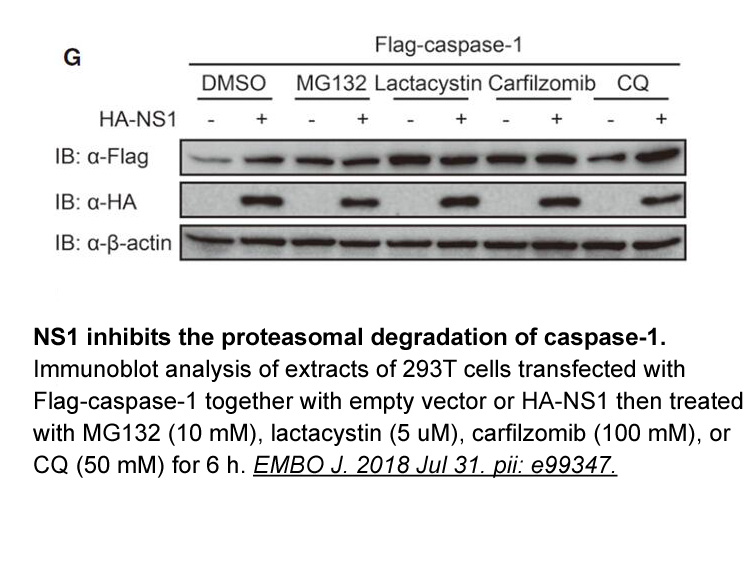
Previous in vitro studies have demonstrated that DNA-PK-deficient cell line (MO59J) is approximately 30-fold more sensitive to radiation than DNA-PK-proficient cell line (MO59K) [31]. Moreover, specific DNA-PK inhibitors SU11752 and wortmannin have been shown to sensitize GBM WAY-262611 (MO59K) to r
-
omadacycline br The related catalytic regions
2020-06-05
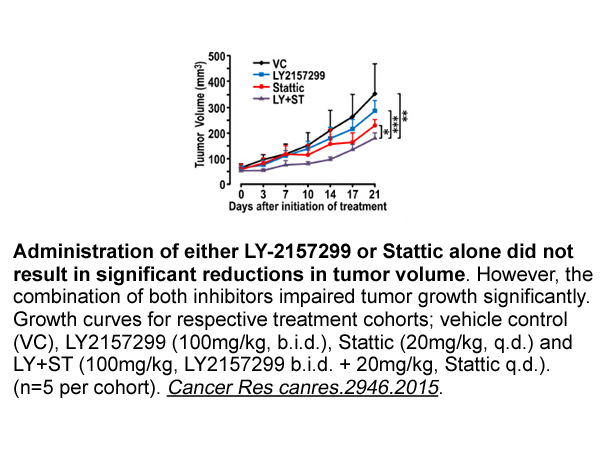
The related catalytic regions of the human DNA ligases contain three domains, a DNA binding domain (DBD), a nucleotidyl transferase domain (NTase) and an oligonucleotide/oligosaccharide-fold binding domain (OBD) (Ellenberger and Tomkinson, 2008). Similar to DNA ligase I, the DNA ligase III polypep
-
br Acknowledgement br Introduction Human dihydroorotate dehy
2020-06-05
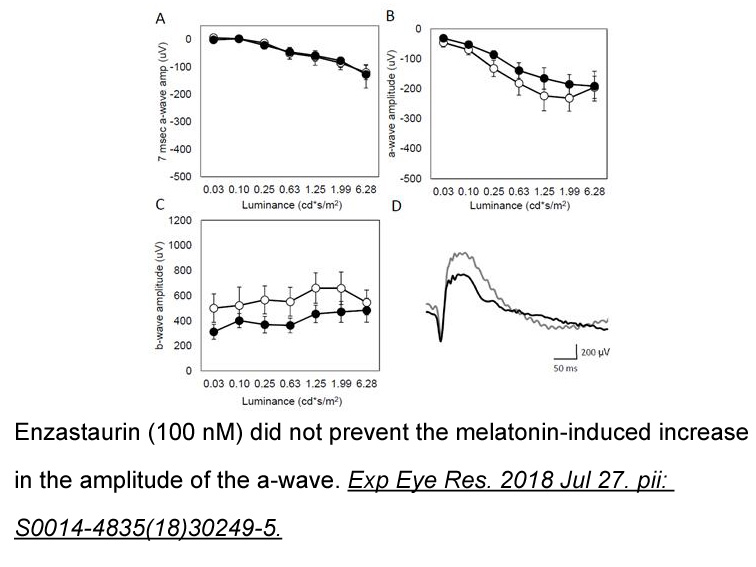
Acknowledgement Introduction Human dihydroorotate dehydrogenase (hDHODH), a flavin-dependent mitochondrial enzyme involved in de novo WDR5 0103 biosynthesis, is a validated therapeutic target for the treatment of autoimmune diseases such as rheumatoid arthritis and cancer [1], [2], [3]. Leflu
-
Imidazo purine diones were another
2020-06-05

1-Imidazo[2,1-]purine-2,4(3,8)-diones were another cluster of compounds identified from the Chembridge screen (). A benzyl group at the R2 position was preferred over a phenyl or 2-phenylpropyl (. and ), and -substitution of the benzyl group increased potency to the nanomolar level ( IC=0.20μM . ).
-
Previous studies reported that combined administration
2020-06-05
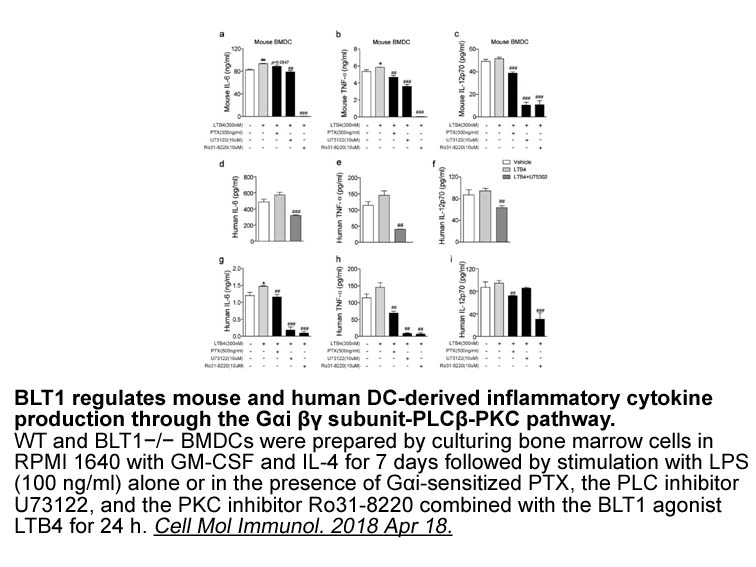
Previous studies reported that combined administration of licorice/GL and TWHF/TP showed reduced toxicity and equal or even potentiated therapeutic efficacy when treating arthritis (YS et al., 2006, YS et al., 2008, Zhang et al., 2007). Our findings that GL reduced exposure to TP in rats confirmed t
-
NB-598 hydrochloride br Pre clinical combination studies usi
2020-06-05

Pre-clinical combination studies using CSF-1/CSF-1R inhibitors In preclinical models, the CSF-1R pathway can be blocked by using either small molecule kinase inhibitors (GW2580 [30], PLX3397 [31], Ki20227 [32], BLZ945 [33] and CYC11645 [34]), antibody-mediated inhibition of CSF-1 using 5A1 [35] o
-
The mechanisms in the central nervous system CNS
2020-06-05
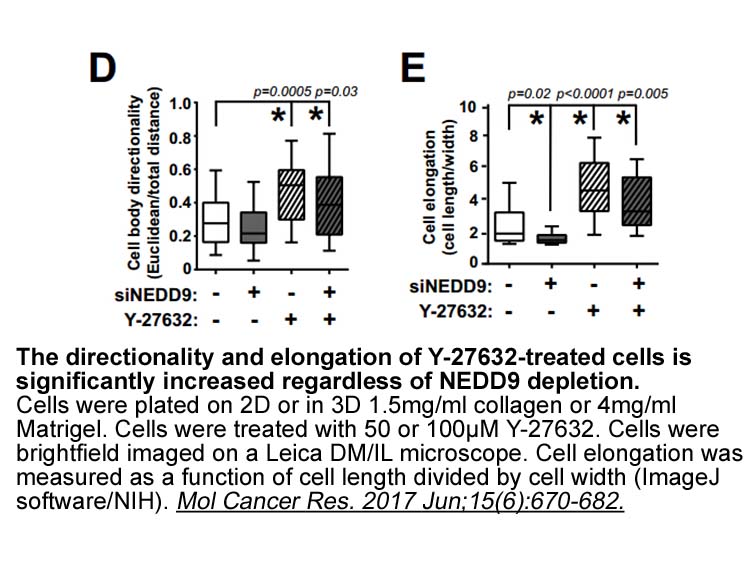
The mechanisms in the central nervous system (CNS) controlling the sympathetic tone of the SC 79 are associated to behavioral strategies, such as those involved in response to stress. In this regard, morphine withdrawal induces profound and severe stress reactions evidenced by enhancement of NA tur
-
Given a disruption of membrane internalization and
2020-06-05
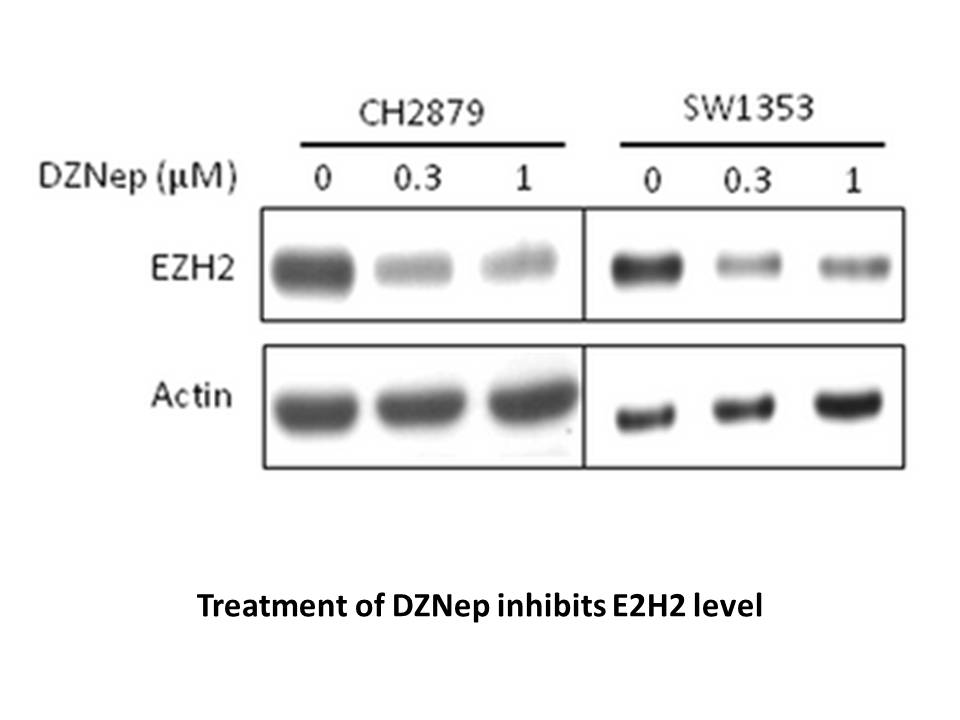
Given a disruption of membrane internalization and an increase in synaptic glutamate receptors in CPG2 knockdown neurons, one might expect an increase in dendritic spine size as membrane continues to be inserted into the spines during receptor exocytosis. However, we observed the opposite phenotype,
-
Following the relationship model adopted in this
2020-06-05
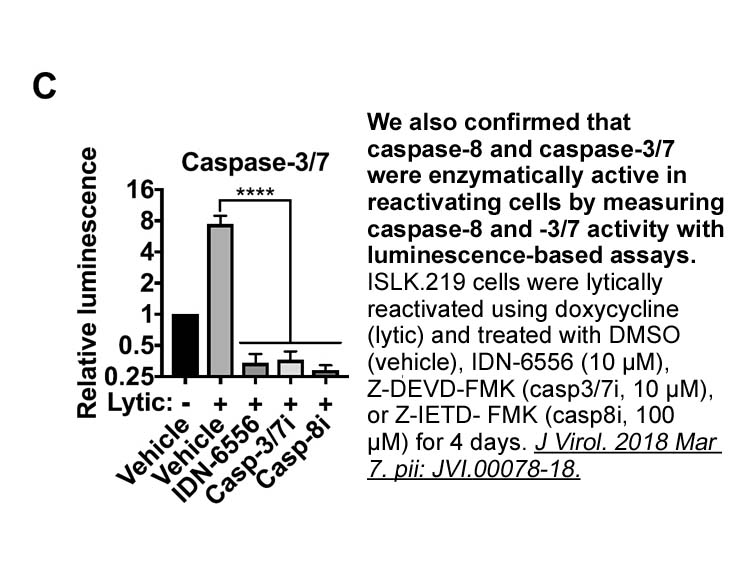
Following [20], [22], the relationship model adopted in this Tariquidar methanesulfonate, hydrate work to estimate the time to failure is the Inverse Power Law (IPL): Where L is the SUT life characteristic (e.g. the mean time to failure), s represents the stress level, while k and w are model-relat
-
It is interesting that of the
2020-06-05
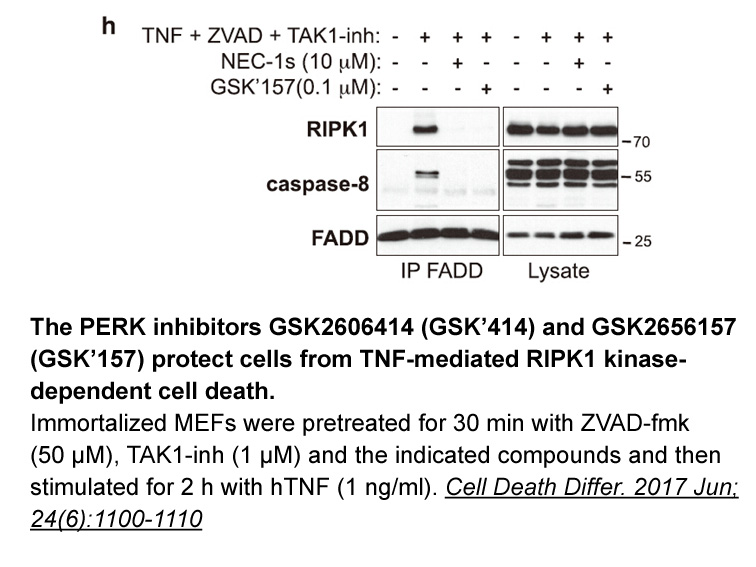
It is interesting that of the control groups, female TG controls only had significantly higher MB-COMT protein than non-TG male controls (Supplemental Table 9, P = 0.005), while these two groups have almost equal expression of S-COMT protein (8.54- vs. 8.34-fold) and their COMT enzyme activity is al
-
DDR distribution in healthy fibrotic and inflamed tissues Wh
2020-06-04
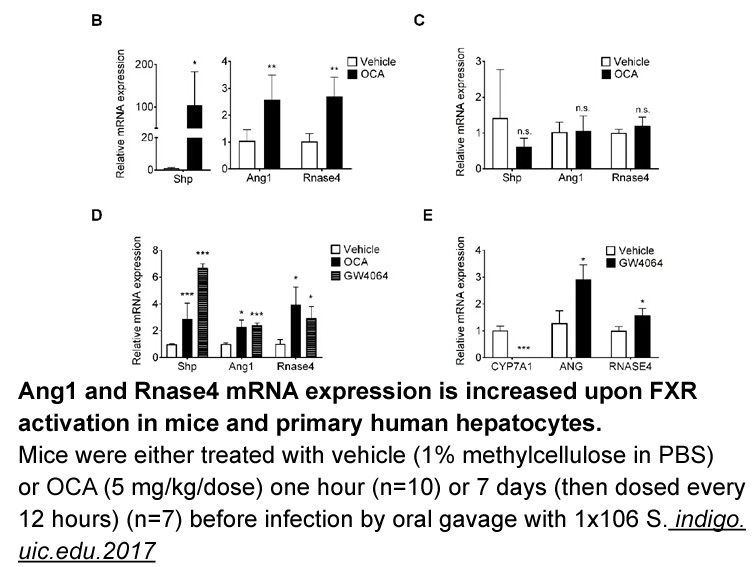
DDR1 distribution in healthy, fibrotic and inflamed tissues Whereas we can easily mine publicly available databases to infer DDR1 expression profile in different tissues (as reported in Fig. 1), fine comprehension of DDR1 biology has been hampered by the absence of a commercially available specific
-
br Material and methods br Results br Discussion Both
2020-06-04
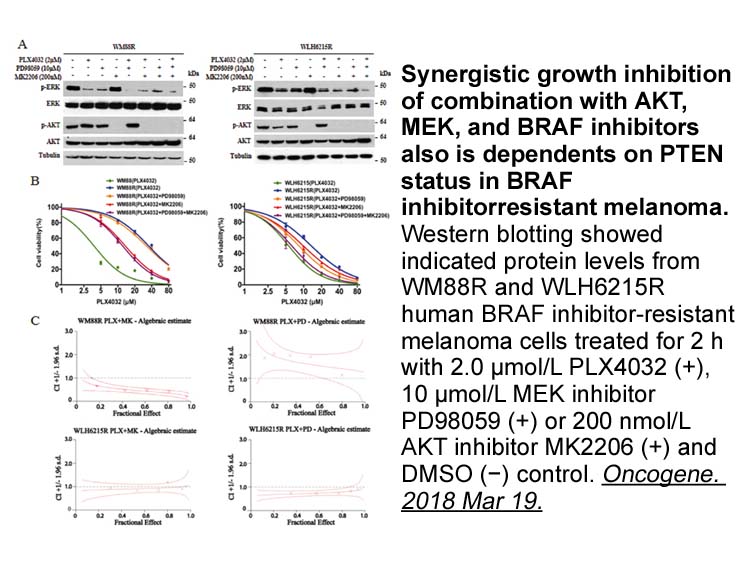
Material and methods Results Discussion Both progesterone and estradiol are major ovarian steroids crucial for the development and homeostasis of the female reproductive tract (Patel et al., 2015). In the cervix, estrogen softens the cervical stroma affecting the extracellular matrix (ECM)
-
Recent advances in microarray and next generation sequencing
2020-06-04
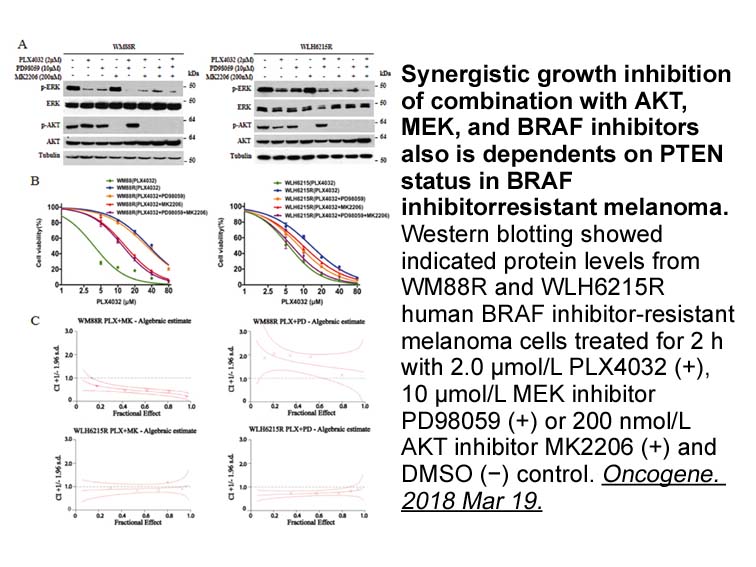
Recent advances in microarray [32] and next-generation sequencing [33] based technologies have led to tremendous increases in information about the molecular mechanisms that are responsible for malignant transformation of rare and poorly understood soft tissue sarcomas. However, data interpretation
-
br Methods Ventricular cardiomyocytes from adult male
2020-06-04
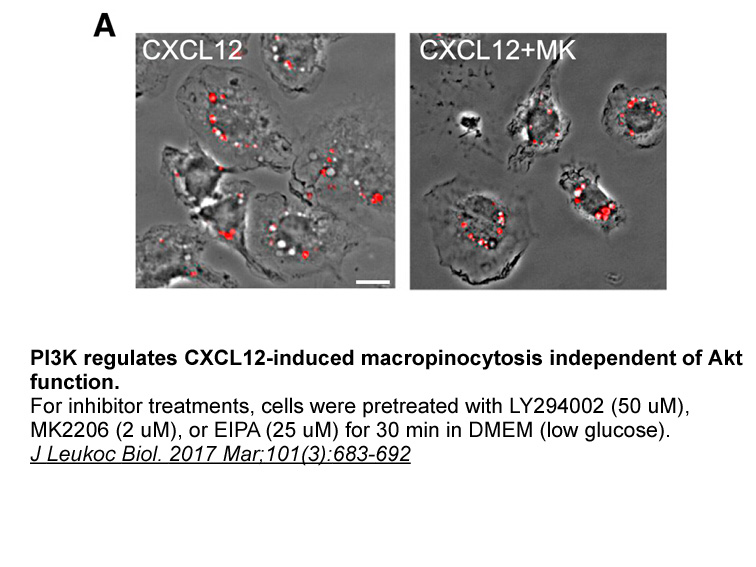
Methods Ventricular cardiomyocytes from adult male Wistar rats were isolated using a standard enzymatic digestion [11]. Cells were incubated at 37°C for 4 to 6h with Tyrode solution (in mM: 140 NaCl, 4 KCl, 1.1 MgCl2, 10 HEPES, 10 glucose, 1.8 CaCl2; pH7.4, with NaOH) supplemented or not with 10μ
-
br Material and methods br Results
2020-06-04
Material and methods Results and discussion Conclusion The gene encoding the Bos taurus muscle enolase enzyme was successfully isolated and cloned in this study. Optimization of the cloning, gene gabazine and purification was performed and protein elution at 95% purity was achieved. An alt
16834 records 879/1123 page Previous Next First page 上5页 876877878879880 下5页 Last page