Archives
- 2026-06
- 2026-05
- 2026-04
- 2026-03
- 2026-02
- 2026-01
- 2025-12
- 2025-11
- 2025-10
- 2025-09
- 2025-03
- 2025-02
- 2025-01
- 2024-12
- 2024-11
- 2024-10
- 2024-09
- 2024-08
- 2024-07
- 2024-06
- 2024-05
- 2024-04
- 2024-03
- 2024-02
- 2024-01
- 2023-12
- 2023-11
- 2023-10
- 2023-09
- 2023-08
- 2023-07
- 2023-06
- 2023-05
- 2023-04
- 2023-03
- 2023-02
- 2023-01
- 2022-12
- 2022-11
- 2022-10
- 2022-09
- 2022-08
- 2022-07
- 2022-06
- 2022-05
- 2022-04
- 2022-03
- 2022-02
- 2022-01
- 2021-12
- 2021-11
- 2021-10
- 2021-09
- 2021-08
- 2021-07
- 2021-06
- 2021-05
- 2021-04
- 2021-03
- 2021-02
- 2021-01
- 2020-12
- 2020-11
- 2020-10
- 2020-09
- 2020-08
- 2020-07
- 2020-06
- 2020-05
- 2020-04
- 2020-03
- 2020-02
- 2020-01
- 2019-12
- 2019-11
- 2019-10
- 2019-09
- 2019-08
- 2019-07
- 2019-06
- 2019-05
- 2019-04
- 2018-11
- 2018-10
- 2018-07
-
PI K is a lipid kinase and generates
2020-11-06
PI3K is a lipid kinase and generates phosphatidylinositol-(3,4,5)-trisphosphate, which is a second messenger critical for the translocation of Akt to the cytoplasmic membrane. The phosphorylation of Ser473 Akt is important in the cell survival by regulating the eNOS among other targets (Dimmeler et
-
Elastase belongs to chymotrypsin family of proteases and it
2020-11-06
Elastase belongs to chymotrypsin family of proteases and it is responsible for the breakdown of elastin and other proteins, such as collagen and fibronectin, which are fundamental for the ECM elastic properties (Imokawa and Ishida, 2015). Misregulations of this enzyme are involved in skin ageing pro
-
Collectively the results presented here provide new insights
2020-11-06
Collectively, the results presented here provide new insights into ligand binding, clustering, spatial distribution, and phosphorylation of DDR1b and DDR2 in response to soluble collagen I. As depicted in the cartoon of Scheme 1, we postulate a model in which the spatial distribution and assembly of
-
In summary the metabolism of GEF
2020-11-06
In summary, the metabolism of GEF in HLM and MLM was extensively studied using a LC–MS-based metabolomic approach. This study identified a total of 34 metabolites and adducts related to GEF (Fig. 10) and identified three new potential reactive metabolites, including two aldehydes and one iminium. Pr
-
The hepatic cytochrome P CYP superfamily
2020-11-06
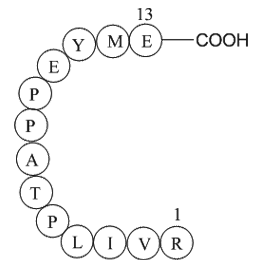
The hepatic cytochrome P450 (CYP450) superfamily is essential for metabolising foreign chemicals, fatty acids, vitamins, hormones and other compounds and consists of 18 subfamilies (Uno et al., 2012). The number of discovered CYP genes is increasing as a result of intense work with CYP450 gene struc
-
Dipeptidyl peptidase inhibitors DPP is or gliptins
2020-11-06
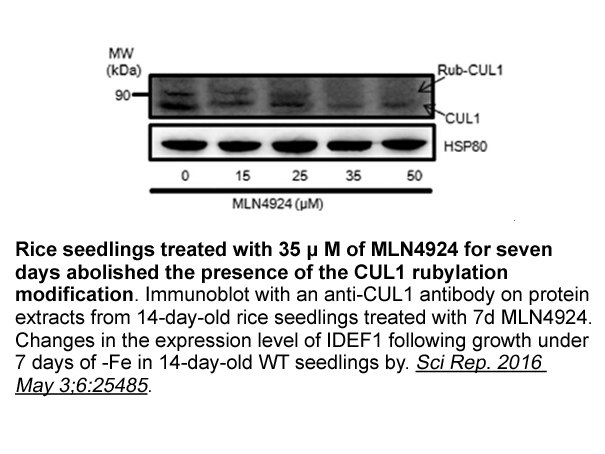
Dipeptidyl peptidase-4 inhibitors (DPP-4is or gliptins) stimulate both post-meal insulin secretion and inhibit Carmustine secretion in a glucose-dependent manner, rendering the risk of hypoglycaemia minimal [10]. They are weight-neutral or may even induce slight weight loss. Their good efficacy has
-
Despite low respiratory rates in
2020-11-06

Despite low respiratory rates in citrus fruit, prolonged periods of storage may cause significant changes in the levels of organic acids (Echeverria and Valich, 1988). V-ATPase and V-PPase catalyze the electrogenic H+ translocation from the cytosol to the vacuolar lumen to generate an inside-acid pH
-
Within the BLA both CRF and the CRF receptor have
2020-11-05
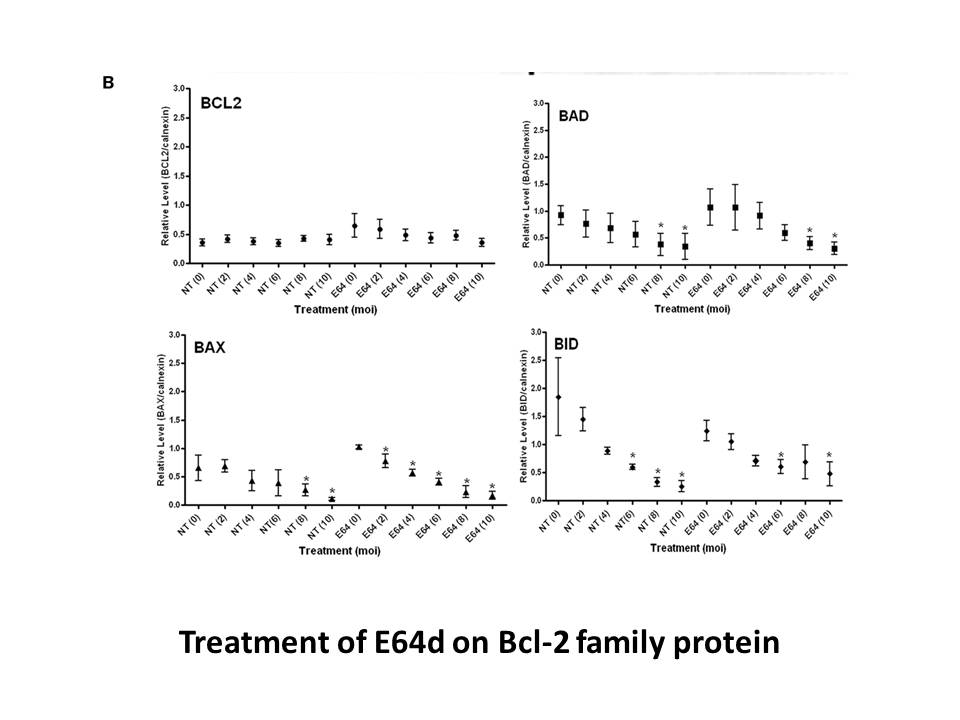
Within the BLA, both CRF and the CRF1 receptor have been shown to functionally regulate synaptic activity. In vivo, CRF release into the BLA originates from projections from the CeA (Roozendaal, Brunson, Holloway, McGaugh, & Baram, 2002). Central administration of both CRF and CRF1 agonists has been
-
cyclosporin The in vitro cytotoxicity of the prodrugs was
2020-11-05
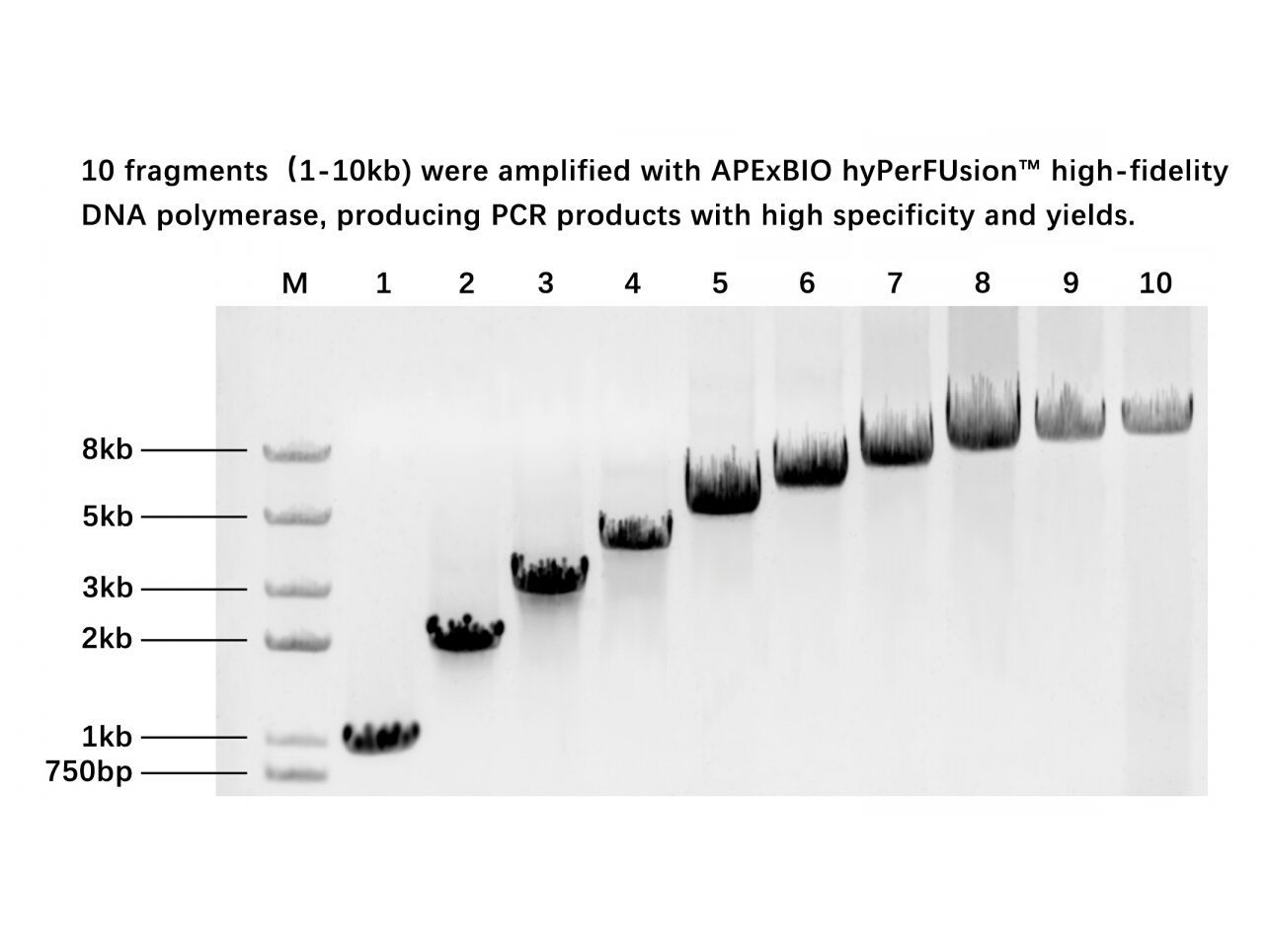
The in vitro cytotoxicity of the prodrugs was assessed in the LS174T human colon cell line (). The results were found to reflect the stability of the prodrugs, with the unstable urea compounds ( and ) giving relatively poor cytotoxicity differentials between prodrugs and parents (i.e., approximately
-
At the same time that the CPA education requirements have
2020-11-05

At the same time that the CPA education requirements have been increasing, the composition of the post-secondary student population has experienced a substantial increase in the number and relative proportion of students who delay college or university matriculation. These students tend to exhibit a
-
br Experimental protocols br Acknowledgements This research
2020-11-05
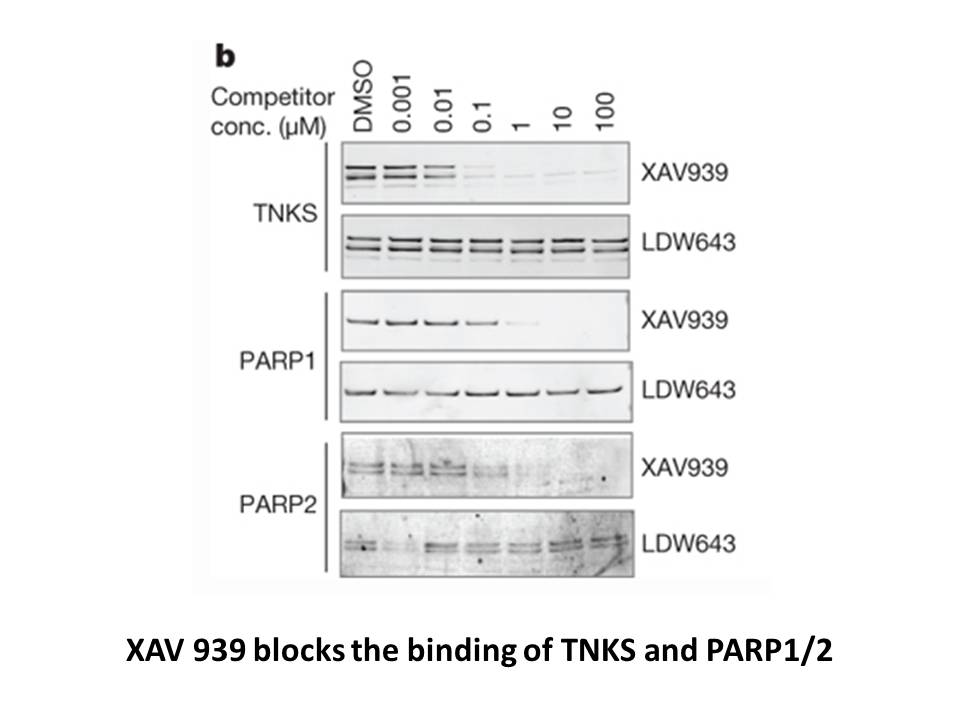
Experimental protocols Acknowledgements This research was funded by the Croatian Ministry of Science, Education and Sports (Programmes 098-0982915-2948 and 098-0982522-2525), the Austrian Science Fund FWF (DK-MCD W1226, SFB LIPOTOX F30, P22832), and the Croatian-Austrian Intergovernmental S&T
-
DGK is not the only
2020-11-05
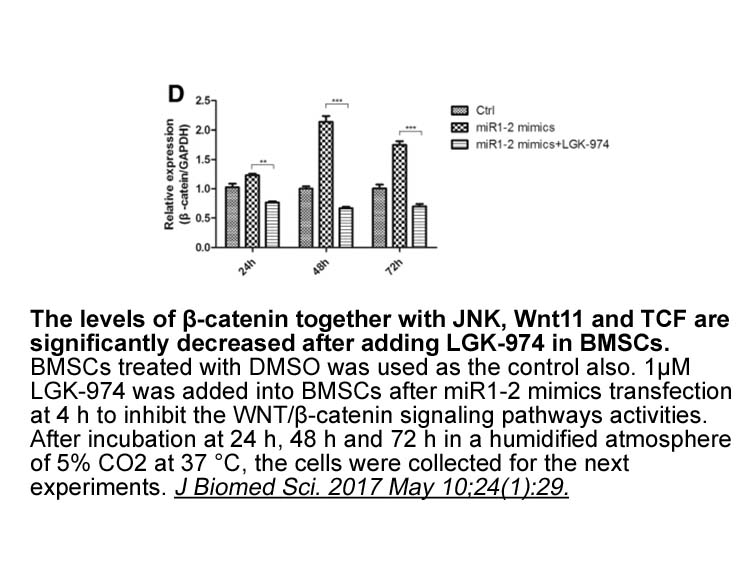
DGKε is not the only DGK isoform that has been associated with p53. It has been shown that DGKζ binds to p53 and modulates its activity in both the cytoplasm and the nucleus [39]. In the cytosol DGKζ promotes the degradation of p53 through the ubiquitin-proteosome system [39], also a likely mechanis
-
In LPS treated BV cells we
2020-11-05
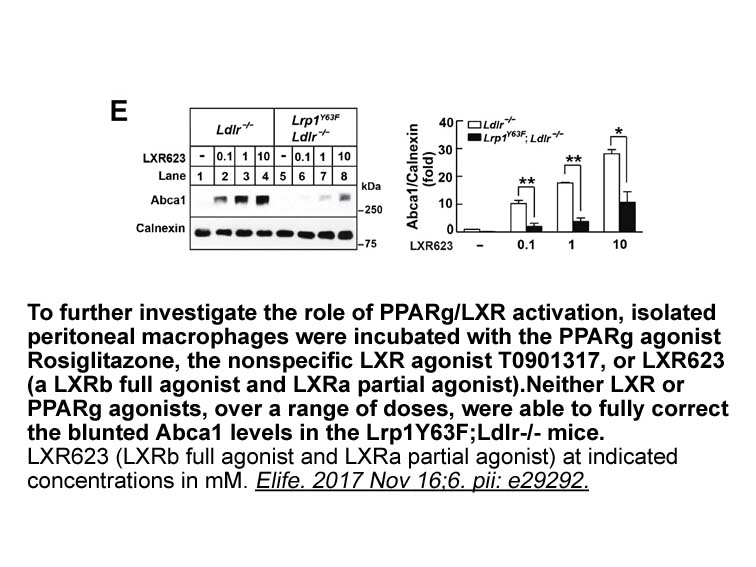
In LPS-treated BV-2 cells, we found that the upregulated CysLT2R was translocated into the nucleus. The nuclear localization of CysLT2Rs in microglia has not been reported previously. It is known that CysLT1Rs in endothelial Alosetron translocated to the nucleus in a ligand-independent manner after
-
The CYP A genes are regulated physiologically by glucocortic
2020-11-05
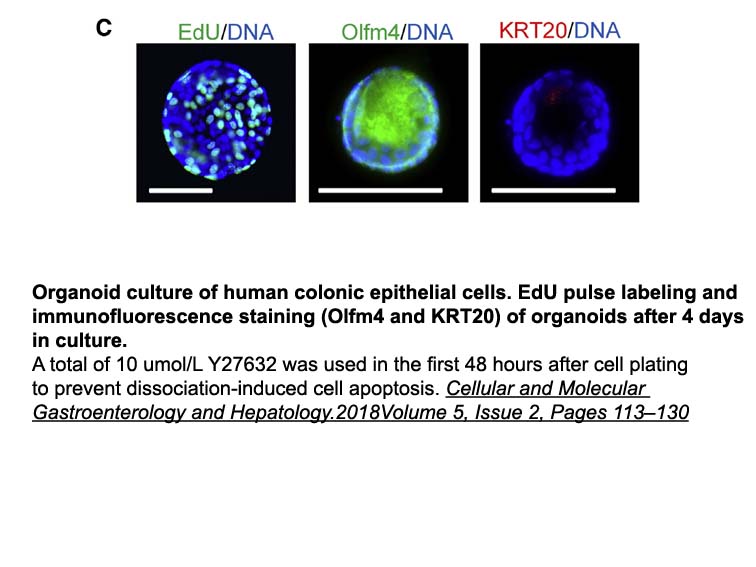
The CYP3A genes are regulated physiologically by glucocorticosteroids, growth hormone, thyroid hormones and cytokines [13, 20, 30]. It has been shown that glucocorticoid receptor (GR), pregnane X receptor (PXR), constitutive androstane receptor (CAR) and vitamin D receptor (VDR) play an important ro
-
Introduction Eicosanoid lipid prostaglandin D PGD is
2020-11-05
Introduction Eicosanoid lipid prostaglandin D2 (PGD2) is the major prostaglandin produced by activated mast Emodin (Lewis and Austen, 1981). The physiological function of PGD2 is mainly mediated by two G protein-coupled receptors (GPCRs), PGD2 receptor 1 and 2 (DP1 and DP2), which share modest seq
16835 records 808/1123 page Previous Next First page 上5页 806807808809810 下5页 Last page