Archives
- 2026-06
- 2026-05
- 2026-04
- 2026-03
- 2026-02
- 2026-01
- 2025-12
- 2025-11
- 2025-10
- 2025-09
- 2025-03
- 2025-02
- 2025-01
- 2024-12
- 2024-11
- 2024-10
- 2024-09
- 2024-08
- 2024-07
- 2024-06
- 2024-05
- 2024-04
- 2024-03
- 2024-02
- 2024-01
- 2023-12
- 2023-11
- 2023-10
- 2023-09
- 2023-08
- 2023-07
- 2023-06
- 2023-05
- 2023-04
- 2023-03
- 2023-02
- 2023-01
- 2022-12
- 2022-11
- 2022-10
- 2022-09
- 2022-08
- 2022-07
- 2022-06
- 2022-05
- 2022-04
- 2022-03
- 2022-02
- 2022-01
- 2021-12
- 2021-11
- 2021-10
- 2021-09
- 2021-08
- 2021-07
- 2021-06
- 2021-05
- 2021-04
- 2021-03
- 2021-02
- 2021-01
- 2020-12
- 2020-11
- 2020-10
- 2020-09
- 2020-08
- 2020-07
- 2020-06
- 2020-05
- 2020-04
- 2020-03
- 2020-02
- 2020-01
- 2019-12
- 2019-11
- 2019-10
- 2019-09
- 2019-08
- 2019-07
- 2019-06
- 2019-05
- 2019-04
- 2018-11
- 2018-10
- 2018-07
-
There is a considerable molecular genetic heterogeneity with
2021-05-08
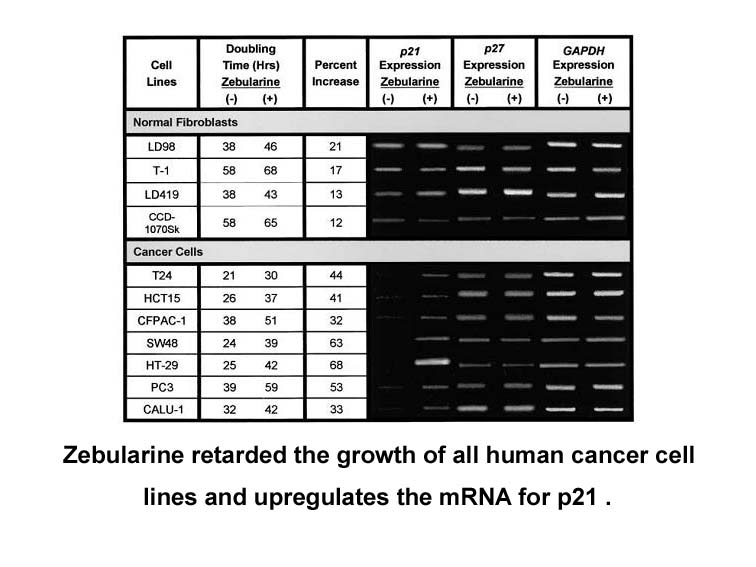
There is a considerable molecular genetic heterogeneity within ES/PNET. As mentioned above, either or can rearrange with in these gene fusions. Furthermore, for either gene fusion, additional heterogeneity stems from the location of the genomic breakpoints of the translocation, resulting in diffe
-
An Emerging Role for the EphrinB EphB RASA Signaling
2021-05-08

An Emerging Role for the EphrinB2-EphB4-RASA1 Signaling Axis in Human Congenital Cerebrovascular Disorders Normal vascular development includes de novo blood vessel formation from endothelial cells (ECs) (vasculogenesis) 1, 2, expansion of the network through vessel sprouting, splitting, and remode
-
The genes corresponding to TVAG TVAG TVAG TVAG and TVAG
2021-05-08
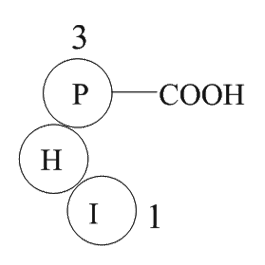
The genes corresponding to TVAG_263740, TVAG_487600, TVAG_282090, TVAG_170370, and TVAG_148010 seem to be the less expressed, and undetectable by proteomics approach. In comparison, in other T. vaginalis strains, and experimental conditions, they show very few or null EST's reports [4]. Concludin
-
c-Myc tag mg Compared to ET all agonists tested showed a fol
2021-05-08
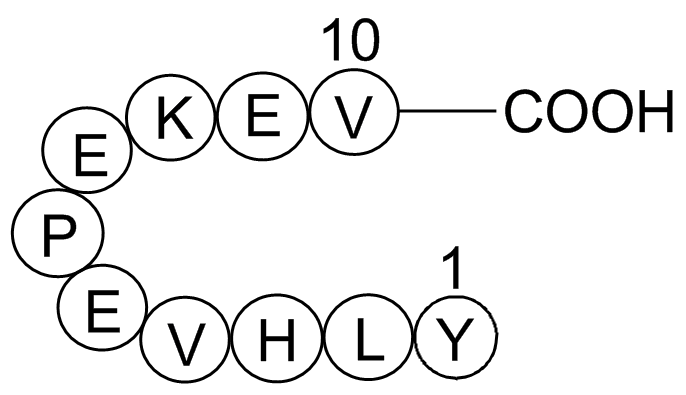
Compared to ET-1, all agonists tested showed a 2–4 fold bias for the G protein constrictor assay compared to the β-arrestin assay (Table 1). This preliminary analysis indicated that at least modest pathway bias for endogenous ET peptides is possible, however the physiological significance of this, i
-
Since both the Ub and ISG systems are crucial for
2021-05-08
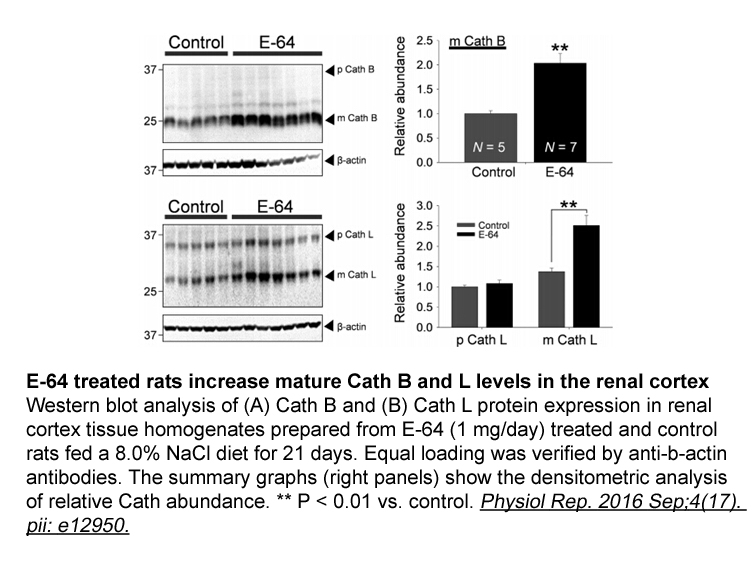
Since both the Ub and ISG15 systems are crucial for the innate immune response, many prokaryotic and viral pathogens have evolved ways to hijack them in order to create a “window-of-opportunity” for efficient replication. Several viral and bacterial proteins have been found to directly target these
-
Also our data from this
2021-05-08
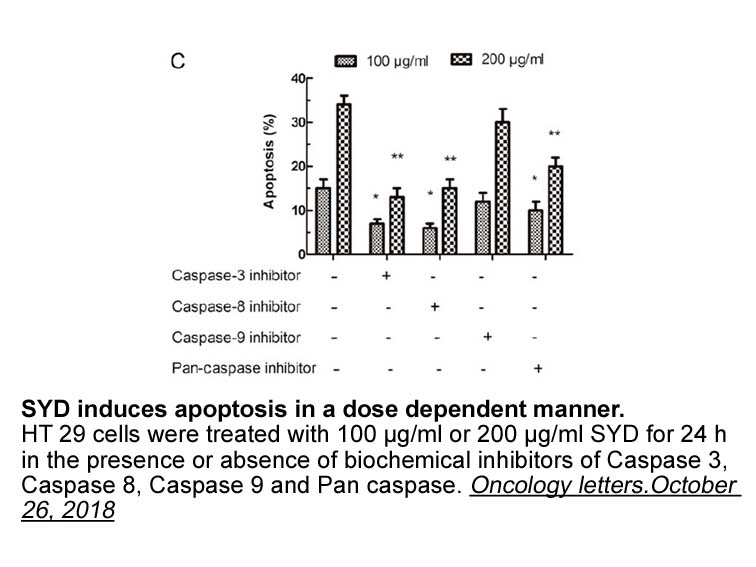
Also, our data from this study indicate that gestational GC exposure altered hematological and hemorheological parameters, however reports exist that altered blood rheological markers are associated with atherosclerosis and CVD (Tzoulaki et al., 2007). Also, the platelet to lymphocyte ratio (PLR) ha
-
The in vivo IC M in
2021-05-08

The in vivo IC (0.0003μM) in the adipose tissue assay is in very good agreement with the in vitro IC (0.0005μM), and it is larger than the one measured in the OLTT assay (0.00005μM) for this compound. These differences in in vivo IC between OLTT and TAG synthesis are expected as we used free ZLN005
-
P has three subfamilies CYP CYP and CYP which
2021-05-08
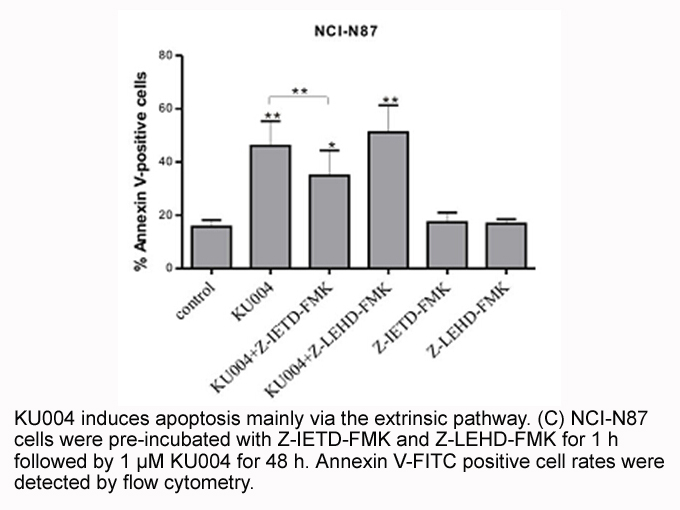
P450 has three subfamilies (CYP1, CYP2, and CYP3), which contribute largely to the oxidative biotransformation of xenobiotics that include most drugs, dietary chemicals, and environmental pollutants. The CYP1 enzymes have great importance in the bioactivation of mutagens and its isoforms are capable
-
CYP A is involved in the metabolism of approximately
2021-05-08
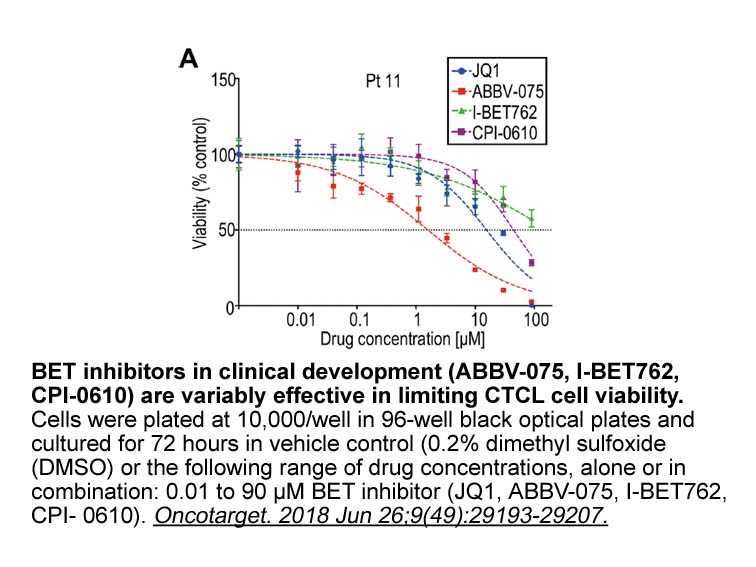
CYP3A is involved in the metabolism of approximately 50% of all drugs that are currently prescribed to patients [1], [15], [16]. Marked interindividual variabilitity of the catalytic function for metabolizing CYP3A substrates has been demonstrated with variability exceeding 20-fold [1]. Levonorgestr
-
One significant finding in this study was the
2021-05-07
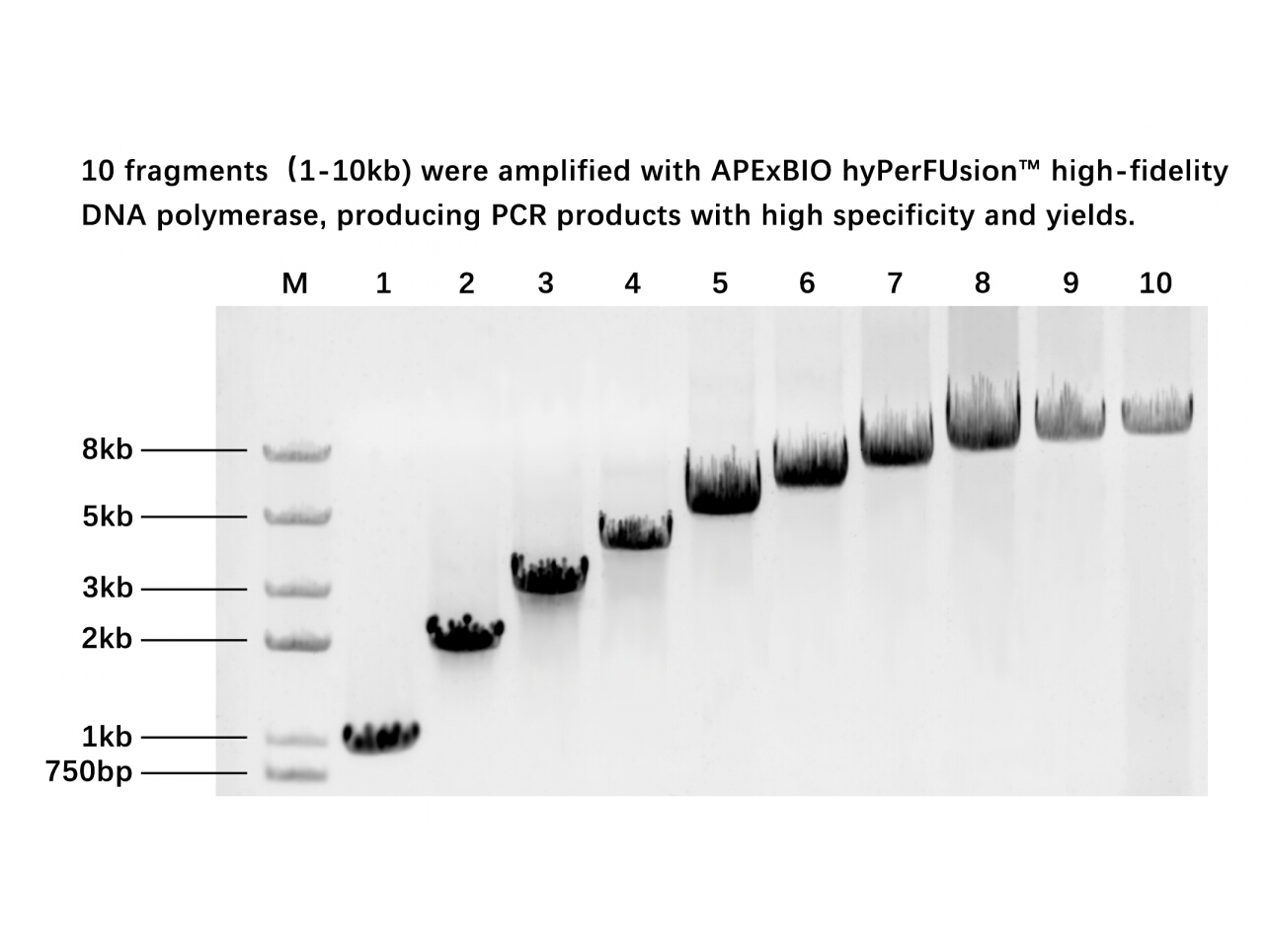
One significant finding in this study was the overexpression of a protein identified as LysM domain/BON superfamily protein [29], [30]. This protein was highly overexpressed in the meropenem-treated condition. InterProScan analysis revealed that the LysM domain/BON superfamily protein consisted of t
-
Resistance to avermectins has been associated
2021-05-07
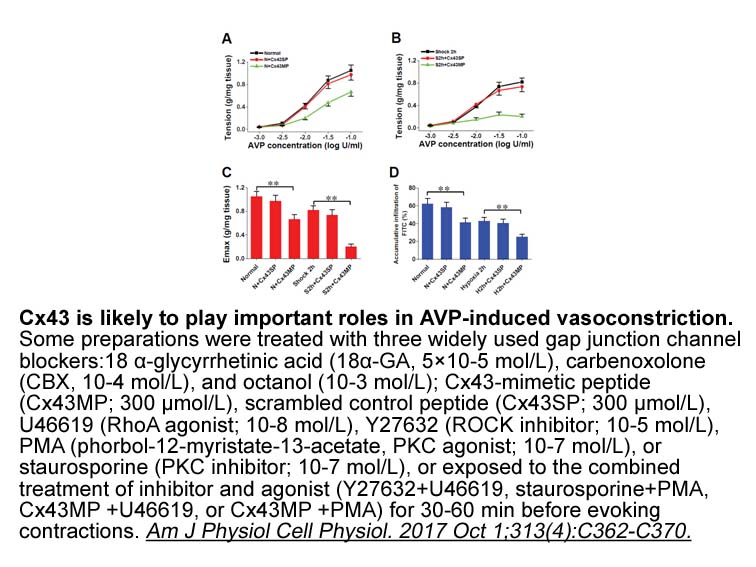
Resistance to avermectins has been associated with point mutations of GluCls in C. elegans, D. melanogaster, T. urticae and P. xylostella (Dent et al., 2000; Dermauw et al., 2012; Kane et al., 2000; Kwon et al., 2010; Wang et al., 2016a, 2017). Our electrophysiological study found a 8.2-fold reducti
-
Recent pharmacological and clinical studies suggested that e
2021-05-07

Recent pharmacological and clinical studies suggested that estetrol (E4) should also be considered as an interesting candidate for MHT (Abot et al., 2014; Mawet et al., 2015). E4 is naturally produced from E2 and estriol (E3) via 15α- and 16α-hydroxylase by the human fetal liver during pregnancy and
-
Furthermore elastase might not be the only
2021-05-07
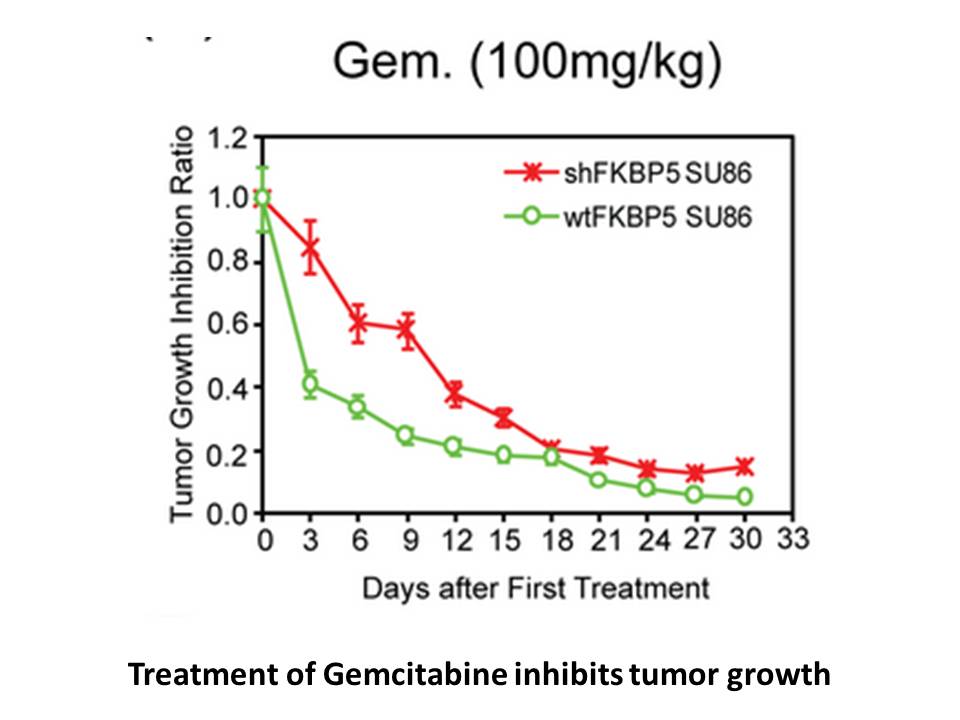
Furthermore, elastase might not be the only regulator of CBG on cleaved and uncleaved form. In a study by Nenke et al. [85] α1-AT deficient subjects, who lack this native neutrophil elastase inhibitor, paradoxically have higher levels of uncleaved CBG and lower levels of CBG* [85]. Gender differenc
-
It is interesting to note that Eibinger and colleagues
2021-05-07
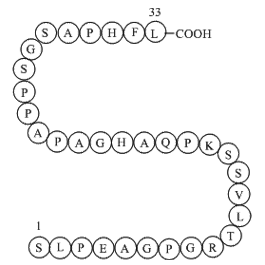
It is interesting to note that Eibinger and colleagues [23] recently reported chemotactic movement to 25-OHC in THP1 cells as well as in primary human monocytes. RNA interference suggested that in part this migration was mediated by EBI2. Competing financial interest statement Acknowledgments
-
UBA belongs to the non canonical E
2021-05-07
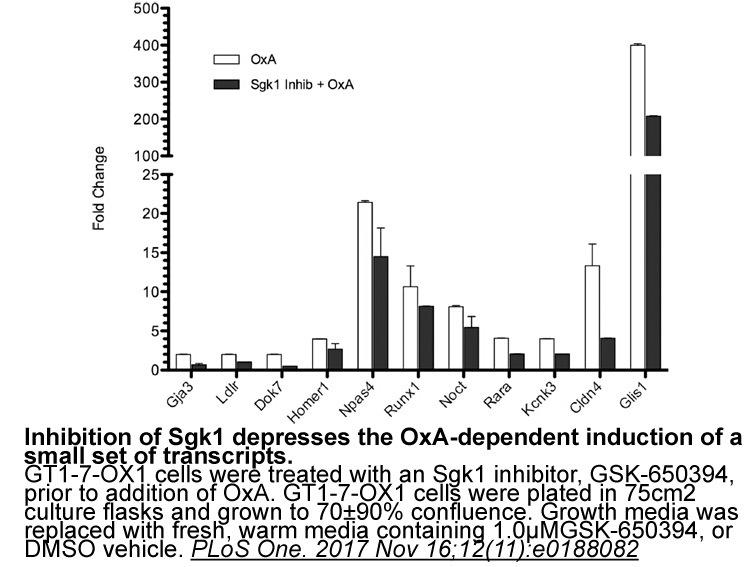
UBA5 belongs to the non-canonical E1 enzymes that lack a defined Cys domain but have the active-site Cys within the adenylation domain [24]. Similar to other E1 enzymes, UBA5's adenylation domain comprises an eight-stranded beta sheet that is surrounded by helices [21]. Moreover, like the ancestral
16837 records 704/1123 page Previous Next First page 上5页 701702703704705 下5页 Last page