Archives
- 2026-06
- 2026-05
- 2026-04
- 2026-03
- 2026-02
- 2026-01
- 2025-12
- 2025-11
- 2025-10
- 2025-09
- 2025-03
- 2025-02
- 2025-01
- 2024-12
- 2024-11
- 2024-10
- 2024-09
- 2024-08
- 2024-07
- 2024-06
- 2024-05
- 2024-04
- 2024-03
- 2024-02
- 2024-01
- 2023-12
- 2023-11
- 2023-10
- 2023-09
- 2023-08
- 2023-07
- 2023-06
- 2023-05
- 2023-04
- 2023-03
- 2023-02
- 2023-01
- 2022-12
- 2022-11
- 2022-10
- 2022-09
- 2022-08
- 2022-07
- 2022-06
- 2022-05
- 2022-04
- 2022-03
- 2022-02
- 2022-01
- 2021-12
- 2021-11
- 2021-10
- 2021-09
- 2021-08
- 2021-07
- 2021-06
- 2021-05
- 2021-04
- 2021-03
- 2021-02
- 2021-01
- 2020-12
- 2020-11
- 2020-10
- 2020-09
- 2020-08
- 2020-07
- 2020-06
- 2020-05
- 2020-04
- 2020-03
- 2020-02
- 2020-01
- 2019-12
- 2019-11
- 2019-10
- 2019-09
- 2019-08
- 2019-07
- 2019-06
- 2019-05
- 2019-04
- 2018-11
- 2018-10
- 2018-07
-
br Conclusion br Introduction Gastric adenocarcinoma GA is
2021-10-18
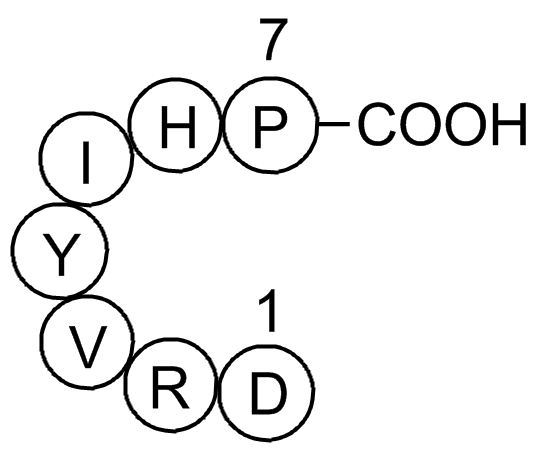
Conclusion Introduction Gastric adenocarcinoma (GA) is the fifth most commonly diagnosed malignancy and the third most common cause of death due to cancer worldwide. It is a highly aggressive cancer and 5-year survival rate (5YSR) is usually Dryocrassin ABBA receptor synthesis might be one of
-
br We are now ready to prove
2021-10-18
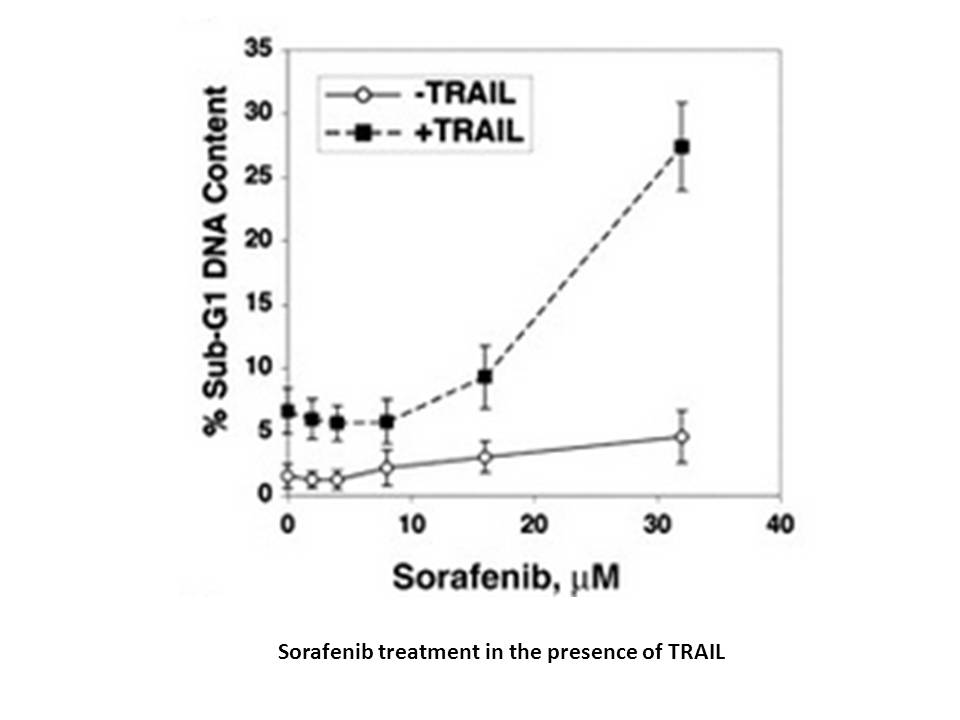
We are now ready to prove the counterpart of Proposition 6.4 for κ-collectionwise normality. This is the pointfree counterpart of the classical result, originally proved in [23], that κ-collectionwise normality is hereditary with respect to -sets. (It may be worth emphasizing that the localic p
-
In comparing the amounts of
2021-10-18

In comparing the amounts of total GST activity of the rabbit cornea, porcine cornea and Hemicornea construct (Fig. 4A), the construct was found to exhibit an obviously lower level of GST activity. To assess these findings, it KJ Pyr 9 mg will be necessary to compare them to the level in the human co
-
By combining the results of
2021-10-18
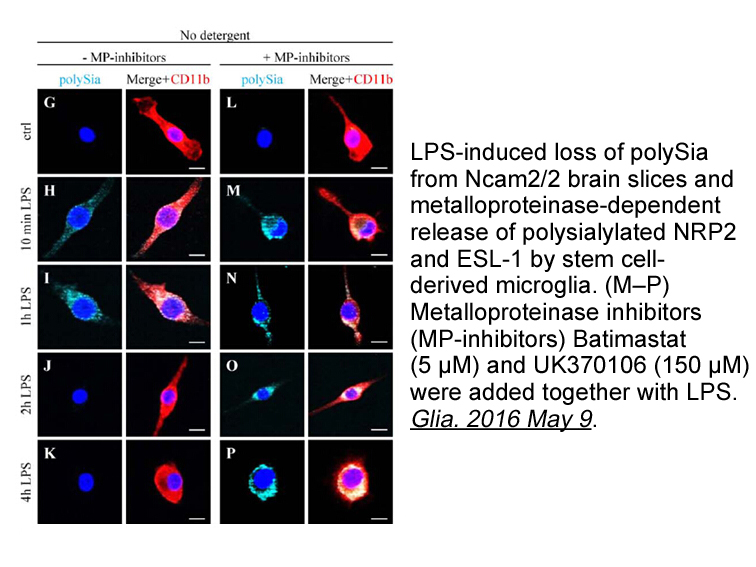
By combining the results of the melting curve analysis of exon 5 and exon 6, the allelic setup of our 250 subjects was determined; the four allelic variants are shown in Table 1. However, GSTP1-1 *A/*C and GSTP1-1 *B/*D could not be distinguished from one another because both genotypes are character
-
br Introduction Nicotinic acid has been used
2021-10-18
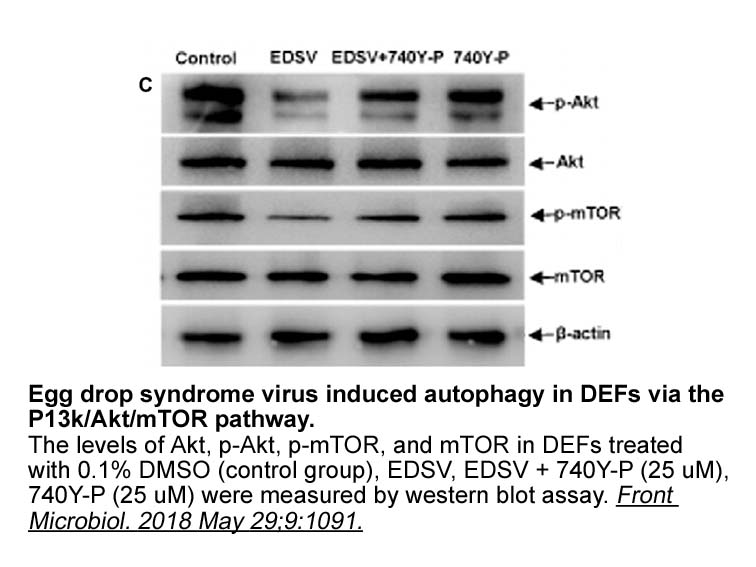
Introduction Nicotinic perk kinase has been used clinically for more than 50 years [1] since it has anti-atherogenic effects, including the ability to reduce triglyceride (TG) and low-density lipoprotein cholesterol (LDL-C), and elevate high-density lipoprotein cholesterol (HDL-C) [2]. Nicotinic
-
Recently we suggested that KYNA an
2021-10-18

Recently, we suggested that KYNA – an endogenous GPR35 agonist could be produced in a human cornea since we showed the presence of the enzymes that catalyze the synthesis of KYNA – kynurenine aminotransferases I-III in corneal epithelium, stroma and endothelium (). Therefore, these findings provided
-
The life cycle of T cruzi requires both
2021-10-18
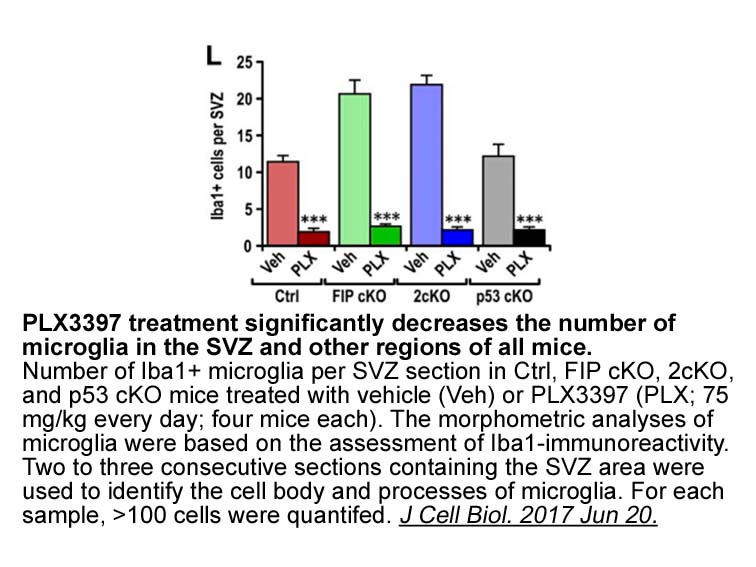
The life cycle of T. cruzi requires both vertebrate and invertebrate hosts. In the insect (invertebrate) vector, the protozoan undergoes extracellular replication, whereas in the mammalian (vertebrate) host it replicates by obligate intracellular multiplication (Rodrigues et al., 2014). Hence, the p
-
The aim of our study was to investigate the polymorphisms
2021-10-18
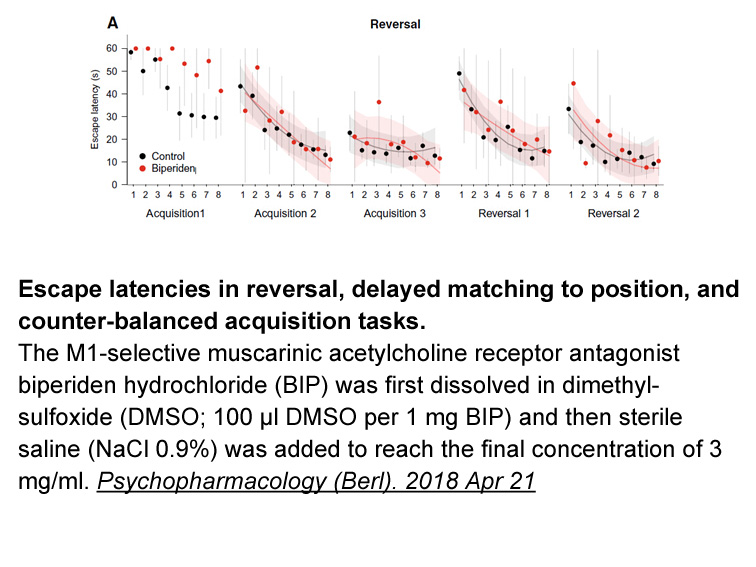
The aim of our study was to investigate the polymorphisms of RAGE and glyoxalase I gene and sRAGE serum levels in patients with pathological pregnancy trying to describe the genetic background of pathological pregnancy or to find a new biochemical marker (sRAGE) of these pathological states in pregn
-
br Materials and methods br Results br
2021-10-18
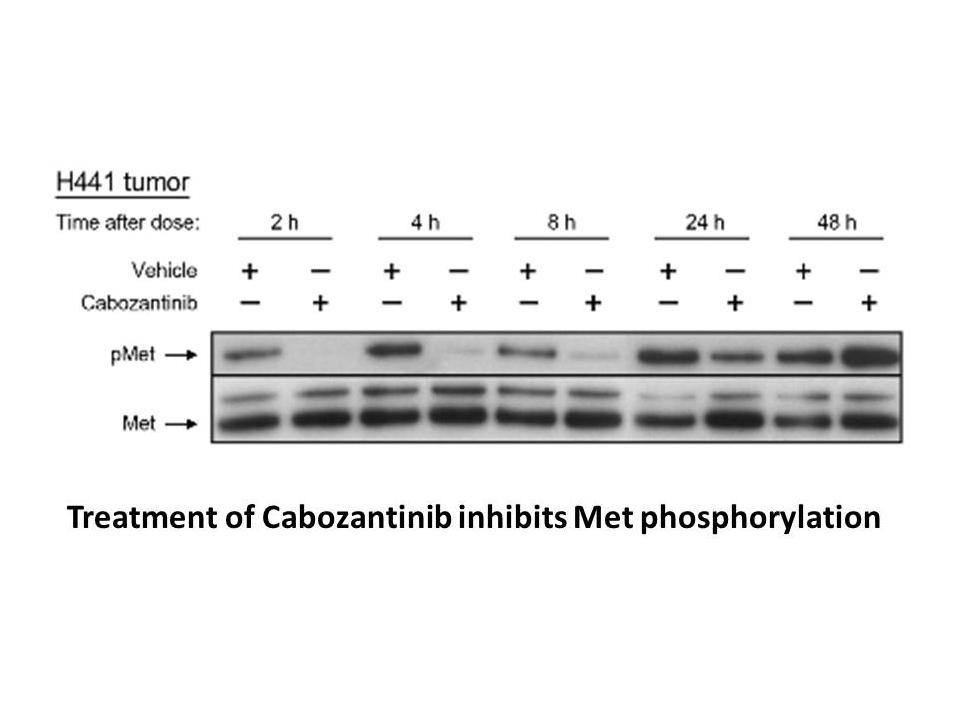
Materials and methods Results Discussion All the UDG superfamily glycosylases examined here, UDG, SMUG1, TDGFL, and TDG82−308, are capable of completely converting U-containing duplex substrates to product, though at different rates. Under STO conditions, kobs reflects the slowest kinetic s
-
Introduction Histamine was generally accepted as
2021-10-18
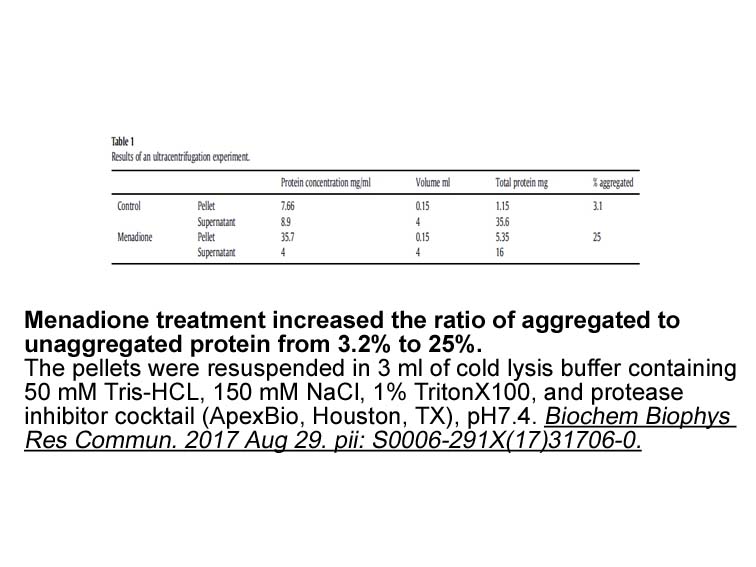
Introduction Histamine was generally accepted as a neurotransmitter in 1984, when histamine was first identified to be located in tuberomamillary nucleus (TM) of the brain (Watanabe et al., 1984). In mammals, histaminergic neurons play an important role in regulating multiple physiological activiti
-
Multiple mechanisms have been suggested by which glucagon ca
2021-10-18
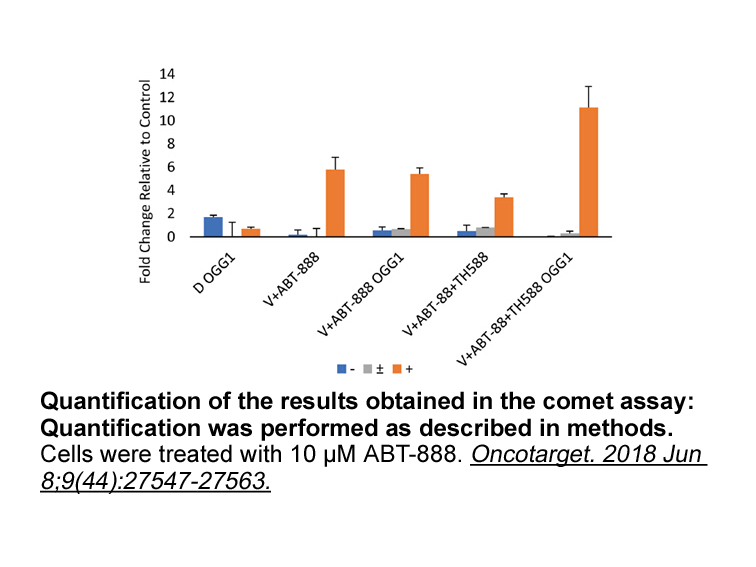
Multiple mechanisms have been suggested by which glucagon can increase energy expenditure although none have been conclusively proven to be responsible. Both enhanced gluconeogenesis and enhanced protein turnover secondary to hyperglucagonaemia have been suggested as the reason for the increased met
-
To directly address whether pharmacological attenuation
2021-10-18
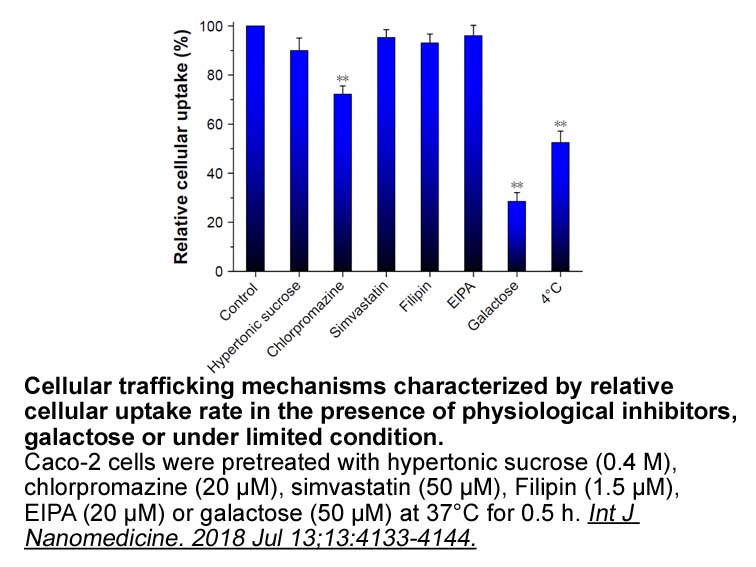
To directly address whether pharmacological attenuation of physiological GIP provides therapeutic benefits in obese mice, we pursued a selective long-acting antagonist to complement the work we report on GIPR agonism. We report a GIP analog of sufficient aqueous solubility that employs a shortened
-
br Acknowledgments The authors would like to thank
2021-10-18

Acknowledgments The authors would like to thank principal investigator Edward John Pratt, MD (Lilly-NUS Centre for Clinical Pharmacology, Singapore) and study investigator Martha Hernandez-Illas MD (QPS-MRA) along with site staff, and trial participants and their families. We thank Zvonko Milicev
-
ETV plays an important role in tumorigenesis and
2021-10-18

ETV5 plays an important role in tumorigenesis and metastasis. For example, chromosomal rearrangement of ETV5 which results in increased ETV5 level is believed as a common event driving human prostate cancer (Helgeson et al., 2008; Huang and Waknitz, 2009). Ghrelin/acyl-ghrelin also plays an importan
-
br Results and discussion br Conclusion In summary we
2021-10-16
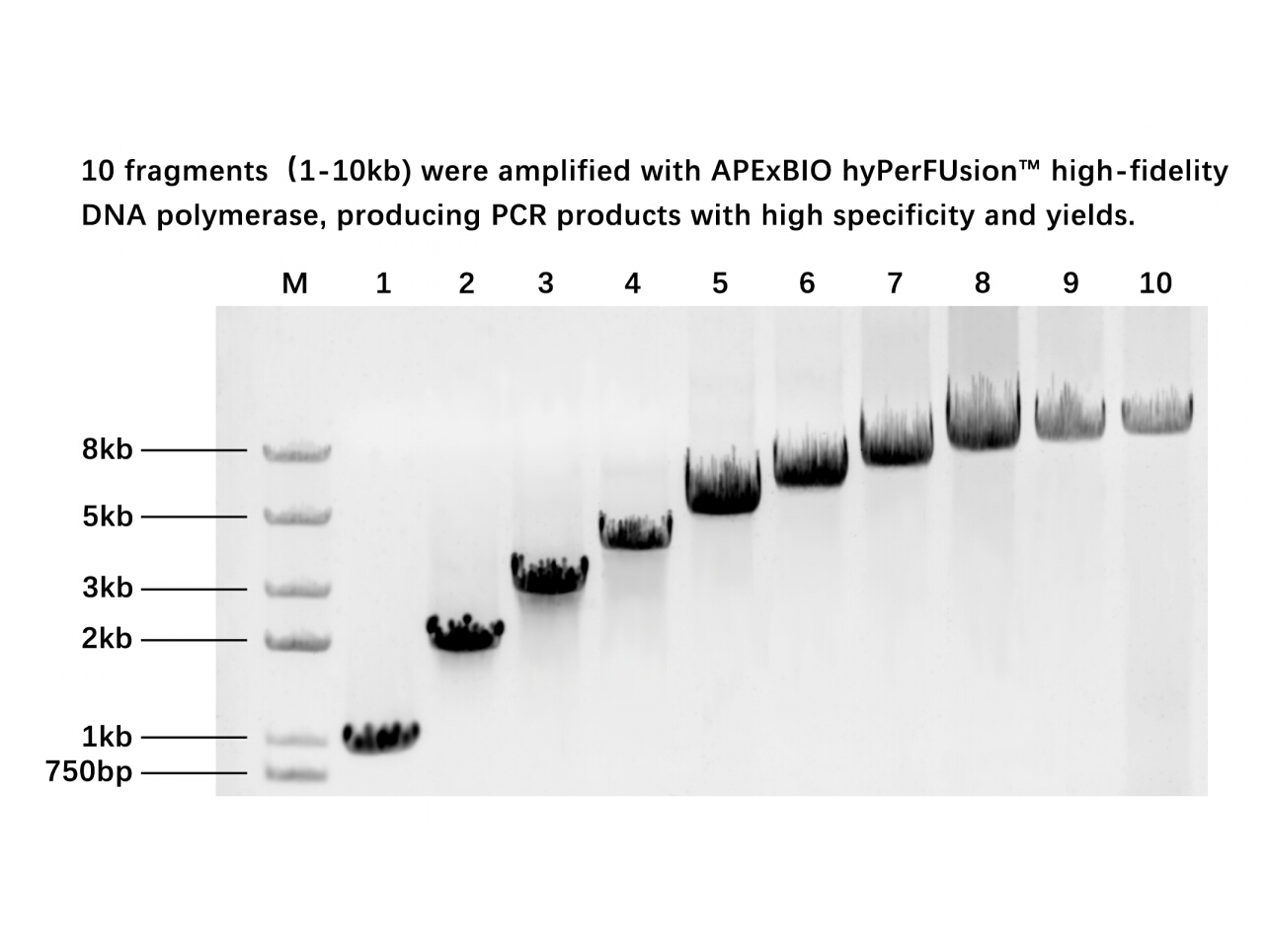
Results and discussion Conclusion In summary, we designed and discovered a series of novel GPR40 agonists containing 3,5-dimethylisoxazole with improved tPSA and ideal cLog P. Most of these compounds were confirmed as excellent GPR40 agonists in vitro. Especially, compound 11k exhibited robust
16839 records 610/1123 page Previous Next First page 上5页 606607608609610 下5页 Last page