Archives
- 2026-10
- 2026-09
- 2026-08
- 2026-07
- 2026-06
- 2026-05
- 2026-04
- 2026-03
- 2026-02
- 2026-01
- 2025-12
- 2025-11
- 2025-10
- 2025-09
- 2025-03
- 2025-02
- 2025-01
- 2024-12
- 2024-11
- 2024-10
- 2024-09
- 2024-08
- 2024-07
- 2024-06
- 2024-05
- 2024-04
- 2024-03
- 2024-02
- 2024-01
- 2023-12
- 2023-11
- 2023-10
- 2023-09
- 2023-08
- 2023-07
- 2023-06
- 2023-05
- 2023-04
- 2023-03
- 2023-02
- 2023-01
- 2022-12
- 2022-11
- 2022-10
- 2022-09
- 2022-08
- 2022-07
- 2022-06
- 2022-05
- 2022-04
- 2022-03
- 2022-02
- 2022-01
-
Thus regardless of its specific function PTC is associated w
2022-08-22

Thus, regardless of its specific function, PTC52 is associated with plastid activity. During arbuscular mycorrhizal symbiosis, elongated plastids, which are interconnected through thin, tubular plastid projections called stromules, proliferate in arbuscule-containing root cortex cells (Fester et al.
-
br Conclusion In conclusion we showed that apoptosis is
2022-08-22
Conclusion In conclusion, we showed that apoptosis is involved in etoposide-induced pancreatic β-cell cytotoxicity. More importantly, as shown in Fig. 6, the results of this study demonstrated that etoposide induces pancreatic β-cell death via the JNK/ERK activation-mediated GSK-3 downstream-trig
-
To characterize the basic functions of GPR in phagocytes we
2022-08-22
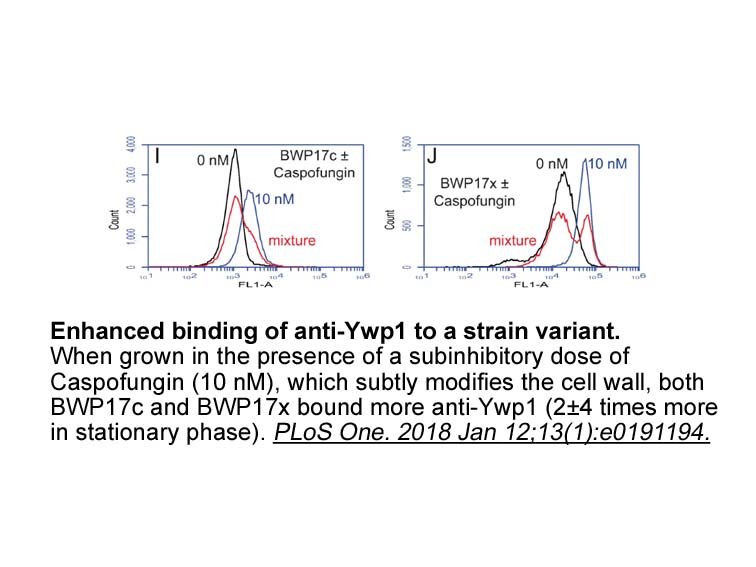
To characterize the basic functions of GPR84 in phagocytes, we have utilized the receptor selective antagonist GLPG1205 (a small selective antagonist of GPR84 developed by Galapagos NV [14]) together with ZQ16 (2-(hexylthio) pyrimidine-4,6-diol), a potent GPR84 selective agonist identified in a high
-
Disuflo Cy5 azide For the study described herein analogues o
2022-08-22
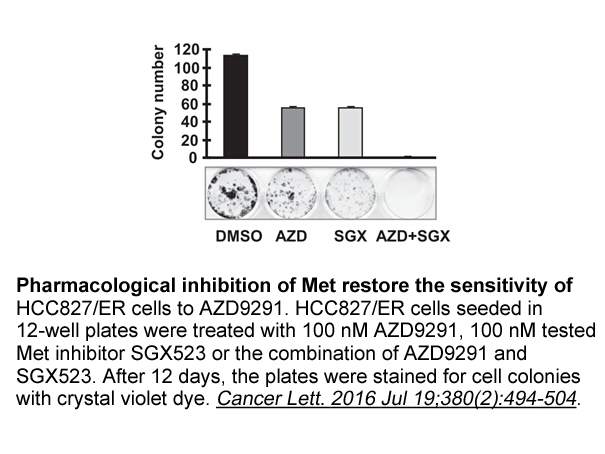
For the study described herein, analogues of CID1792197 (2) were selected for exploration. There are a variety of reasons for this decision. First, the synthetic approach, described hereafter, is modular in nature to rapidly enable the independent modification of either end of the molecule. Second,
-
PTC209 HBr BCCA occlusion followed by reperfusion injury sig
2022-08-22
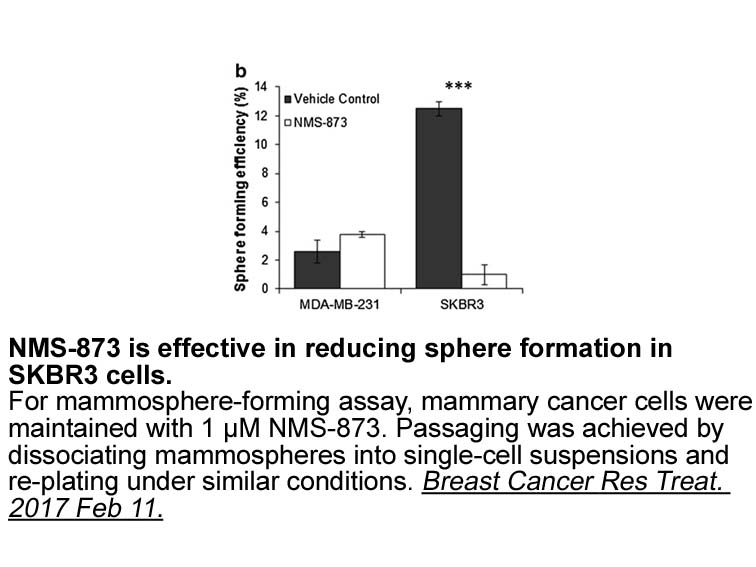
BCCA occlusion, followed by reperfusion injury, significantly increased the brain AT1 and AT2 receptor expression in mice. Reports have demonstrated elevation of AT1 receptor expression in the cerebral PTC209 HBr during ischemia [34,35]. The gene expression of brain AT2 receptor is increased in both
-
PBI is an agonist of GPR and acts as an
2022-08-22
PBI-4050 is an agonist of GPR40 and acts as an antagonist or inverse agonist of GPR84. It cannot be excluded that other targets besides GPR40 and GPR84 could be implicated in the mechanism of action of PBI-4050 and could be explored in future studies. However, the present study, and in particular th
-
Although EAAT may not be involved in the
2022-08-22

Although EAAT3 may not be involved in the induction of morphine-induced CPP, our results suggest that other EAATs may play a role in the behavior because riluzole, an EAAT activator (Frizzo et al., 2004, Fumagalli et al., 2008), abolished morphine-induced CPP. Consistent with this suggestion, a few
-
PSB 0777 ammonium salt The glucocorticoid GR complex exerts
2022-08-22
The glucocorticoid-GR complex exerts wide-spread cellular effects through two distinct mechanisms categorized as genomic and non-genomic pathways [3,39]. Most non-genomic pathways originate from activation of mGR [40]. These actions of the GR appear to all play an important role in the regulation of
-
GLP and glucose dependent insulinotropic peptide GIP
2022-08-22
GLP-1 and glucose-dependent insulinotropic peptide (GIP) are gut hormones secreted from intestinal L iMDK synthesis and K cells, respectively. Together, these hormones account for the vast majority of the incretin effect, the enhanced postprandial insulin secretion observed in healthy adults (Dupre
-
br Conclusions GPCRs are versatile signaling molecules regul
2022-08-19
Conclusions GPCRs are versatile signaling molecules regulating almost all physiological processes, including energy homeostasis and glucose homeostasis.105, 106 They also prove to be important therapeutic targets. Drugs targeting GPCRs account for 30% of current pharmaceutical sales. GPR40 is a m
-
Attractively existing reports suggest that cellular
2022-08-19
Attractively, existing reports suggest that cellular ferroptosis also probably plays vital role in liver fibrosis [[62], [63], [64]]. Carlson BA et al. illuminated that the ferroptosis regulator GPX4 was important for hepatocyte survival and proper liver function [62]. Sun X et al. showed that Nrf2
-
Overall while cART has significantly
2022-08-19
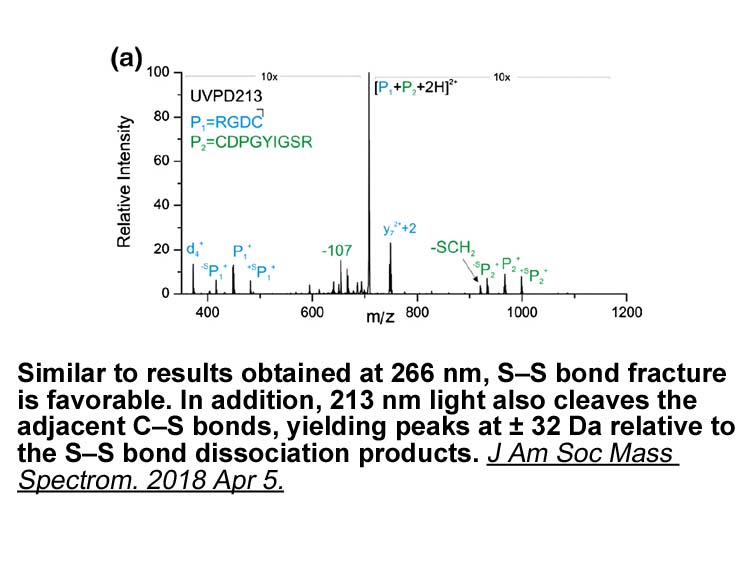
Overall, while cART has significantly prolonged life and ameliorated HIV-associated disease, HIV infection of the CNS still induces a number of cognitive, behavioral and motor symptoms, along with substantial neuropathology. Data show that the inflammatory processes driving neurological disease pers
-
Dithiodipyridine also known as aldrithiol is a known zinc
2022-08-19
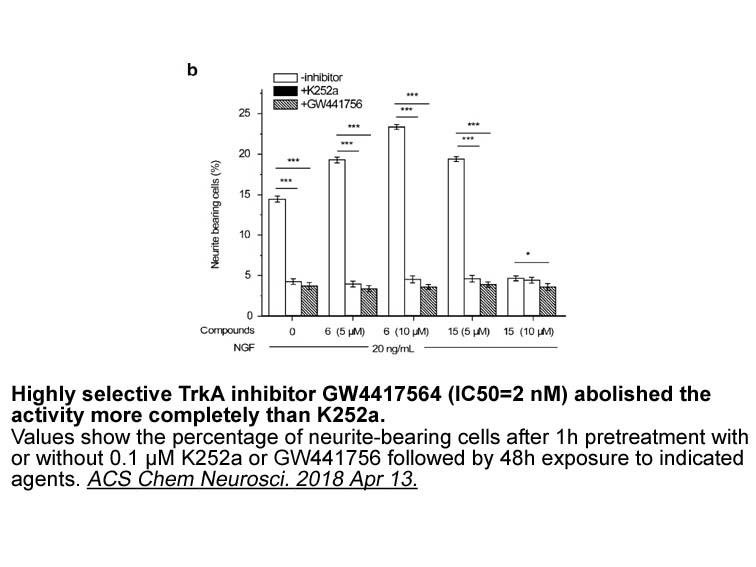
2,2′-Dithiodipyridine , also known as aldrithiol, is a known zinc ejector, targeting for instance the zinc finger in nucleocapsid protein of human immunodeficiency (R,S)-Anatabine receptor type 1. inhibited G9a activity with IC = 0.65 µM and GLP with IC = 2.6 µM. We also tested disulfide cysteamine
-
Whether histamine receptor distribution is altered in
2022-08-19
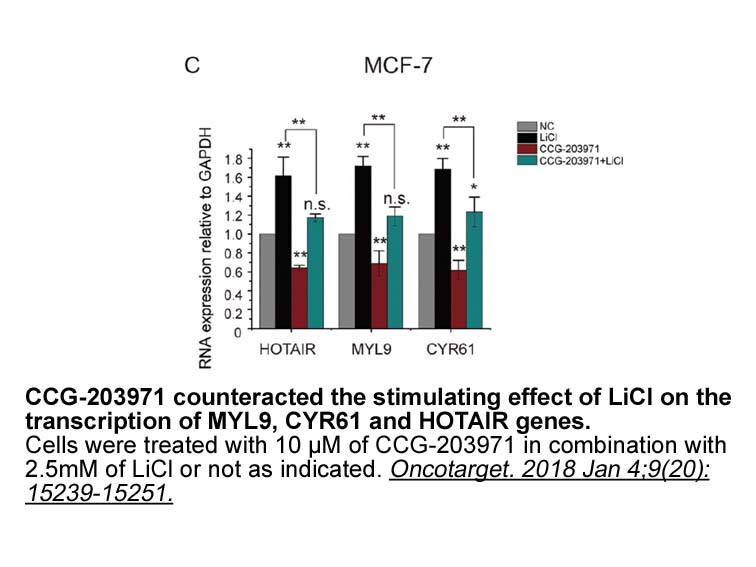
Whether histamine receptor distribution is altered in canine GI diseases remains unknown, but human research has documented altered histamine receptor density in certain GI diseases (Sander et al., 2006, Deiteren et al., 2015, Von Rahden et al., 2011). Additionally, a novel H4 receptor antagonist, J
-
It is important to highlight that glucose
2022-08-19
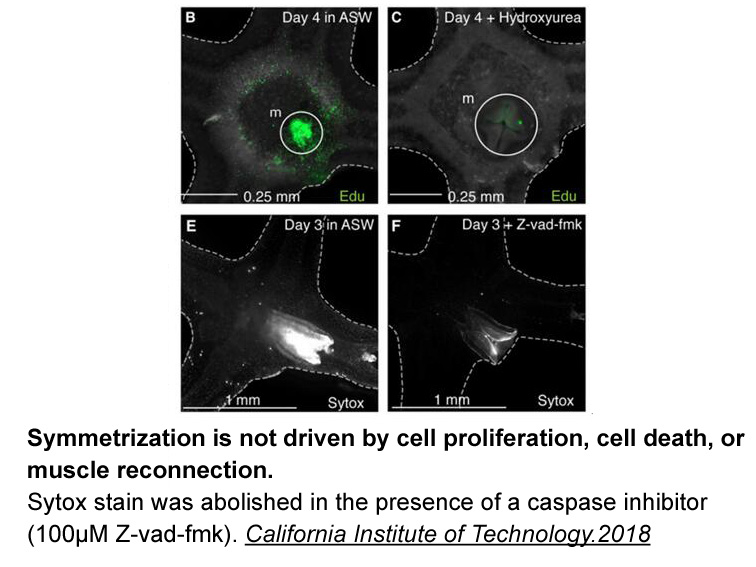
It is important to highlight that glucose-dependent generation of OMP of high magnitudes occurs due to the voltage-gating properties of VDACs, because only small magnitudes of OMP were obtained when the VDAC voltage sensitivity was zero (Fig. 5). These results indicate a possible physiological role
8627 records 449/576 page Previous Next First page 上5页 446447448449450 下5页 Last page