Archives
- 2026-10
- 2026-09
- 2026-08
- 2026-07
- 2026-06
- 2026-05
- 2026-04
- 2026-03
- 2026-02
- 2026-01
- 2025-12
- 2025-11
- 2025-10
- 2025-09
- 2025-03
- 2025-02
- 2025-01
- 2024-12
- 2024-11
- 2024-10
- 2024-09
- 2024-08
- 2024-07
- 2024-06
- 2024-05
- 2024-04
- 2024-03
- 2024-02
- 2024-01
- 2023-12
- 2023-11
- 2023-10
- 2023-09
- 2023-08
- 2023-07
- 2023-06
- 2023-05
- 2023-04
- 2023-03
- 2023-02
- 2023-01
- 2022-12
- 2022-11
- 2022-10
- 2022-09
- 2022-08
- 2022-07
- 2022-06
- 2022-05
- 2022-04
- 2022-03
- 2022-02
- 2022-01
-
AMPK is an essential player in adiponectin signaling pathway
2023-08-23
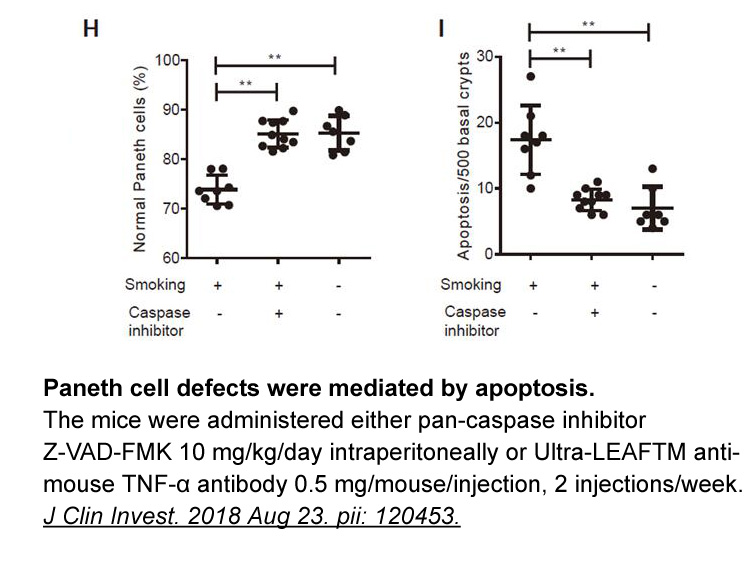
AMPK is an essential player in adiponectin signaling pathway that regulates energy metabolism. The fact that suppression of AMPK activity by compound C largely diminished candesartan-mediated inhibition of NFκB via blocking AT1 also suggests that the AT1-mediated effect is at least partly resulted f
-
In the late s Solvay Pharmaceuticals
2023-08-23
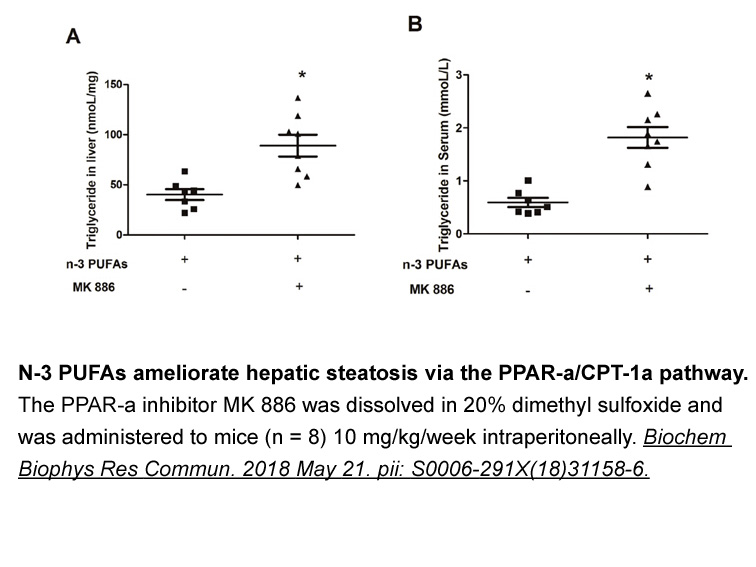
In the late ‘90s, Solvay Pharmaceuticals discontinued the Phase 2 development of a promising potent and highly selective A1AR antagonist based on the pyrrolopyrimidine scaffold, SLV320 [43] (2, Chart 1, also named derenofylline; Ki hA1AR = 1 nM), for the treatment of acute heart failure [24]. In the
-
lpa receptor br Results br Discussion The present study unco
2023-08-23
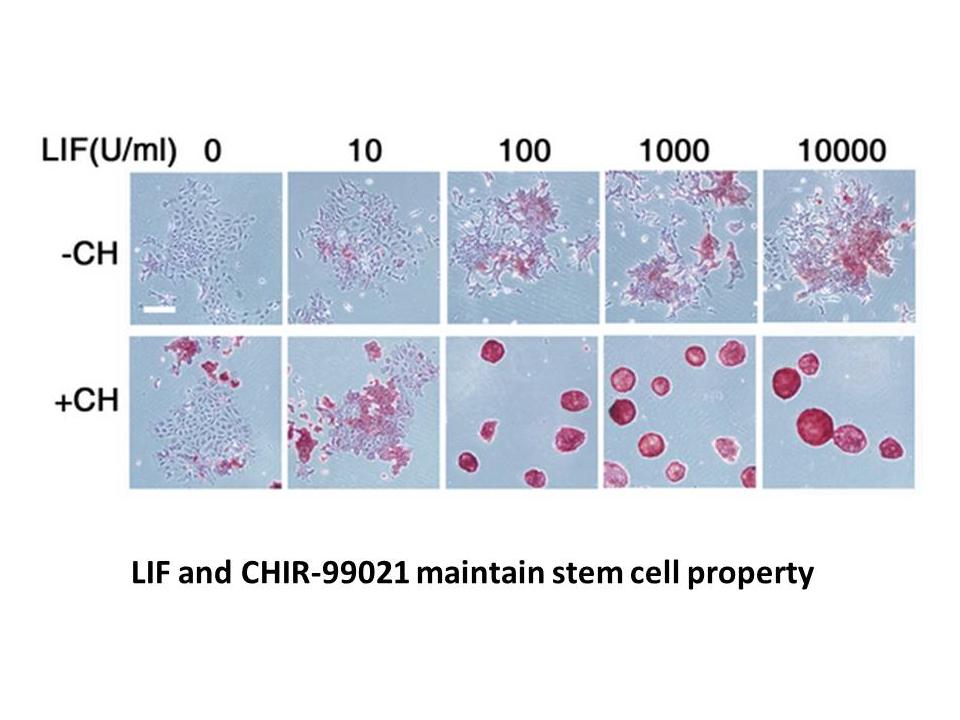
Results Discussion The present study uncovers a role of calpain, a family of calcium-dependent protease, in regulating postsynaptic differentiation at the NMJ. Cholinergic activation stimulates calpain, whose inhibition stabilizes AChR clusters in cultured muscle lpa receptor and in agrin mut
-
Purification of Rv c In
2023-08-23
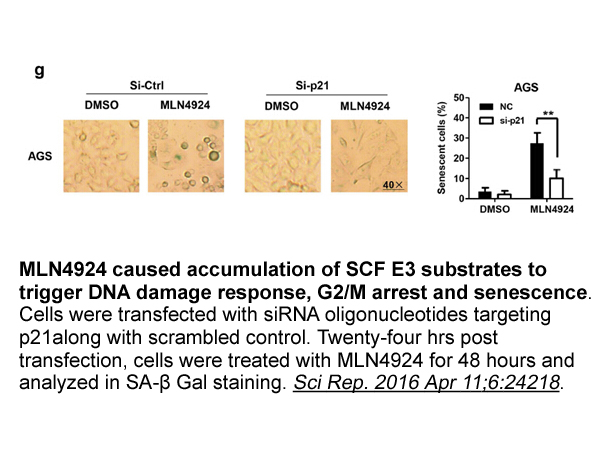
Purification of Rv2477c. In order to investigate the catalytic capabilities of Rv2477c, we expressed the protein as an N-terminal histidine-tagged fusion protein in E. coli BL21 cells and purified the protein by cobalt-affinity chromatography. As shown in Fig. 2A, the 65 kDa fusion protein was expre
-
br Acknowledgment br Introduction The yeast Cdc ATPase and i
2023-08-23
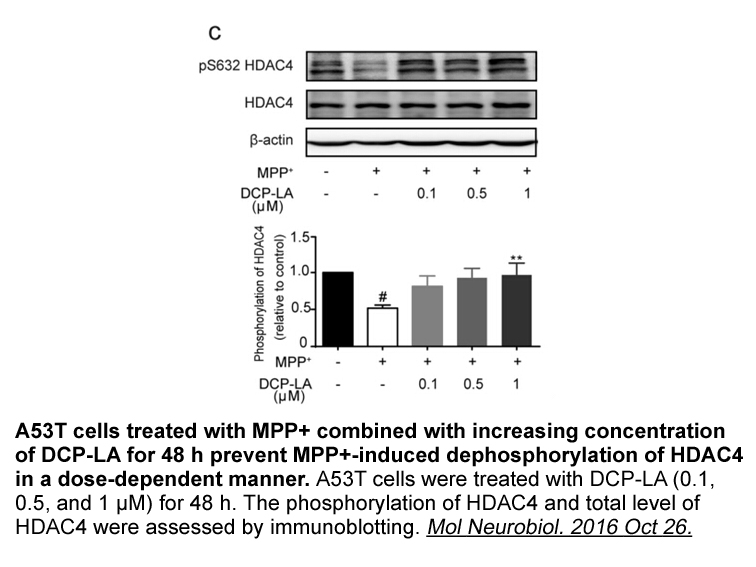
Acknowledgment Introduction The yeast Cdc48 ATPase and its metazoan ortholog p97 (or VCP) are critical components of many ubiquitin-dependent cellular pathways that require the segregation of individual proteins from binding partners or membranes (for review, see Buchberger, 2013, Meyer and We
-
br Materials and methods br Results br Discussion In the
2023-08-23
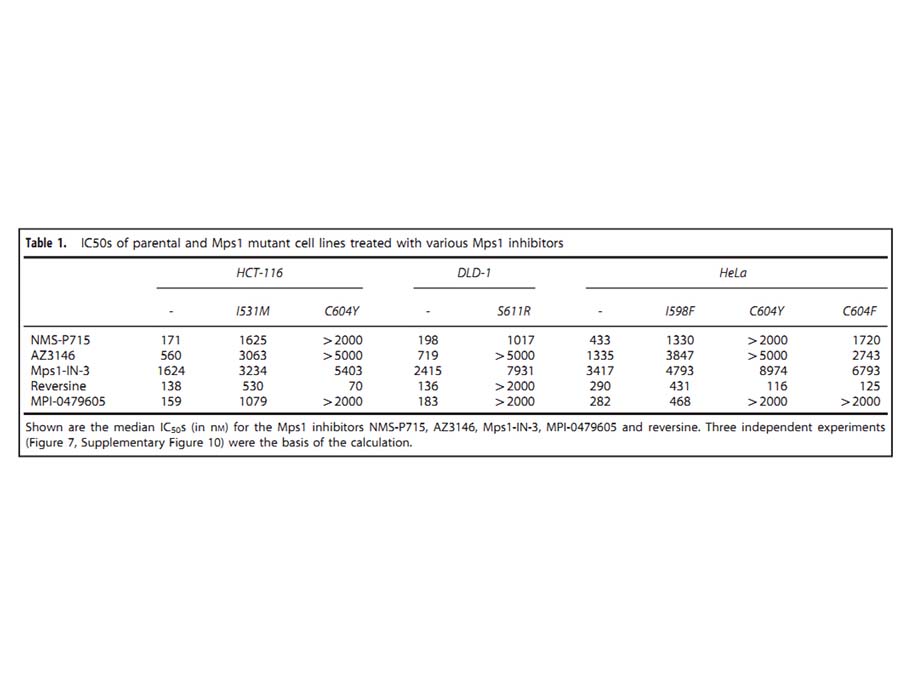
Materials and methods Results Discussion In the present study, we found that SSTR2, SSTR5, and DA2R proteins are expressed in ACTH-positive SYBR Safe DNA Gel Stain in healthy canine pituitary glands, with particularly high positive cell ratios in the intermediate lobes. Somatostatin has be
-
l Arginine supplementation was reported
2023-08-23
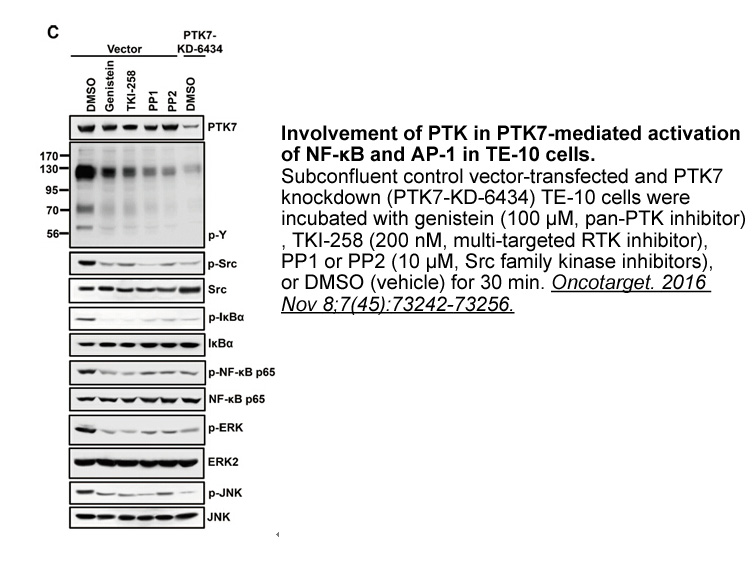
l-Arginine supplementation was reported to be efficient, inefficient or toxic in aged patients. The present study does not support our hypothesis that increased tissue arginase activity may account for the ineffectiveness and even the toxicity of l-arginine supplementation in ageing. Indeed, except
-
Apelin induced G i activation has
2023-08-23
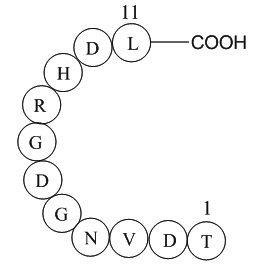
Apelin induced Gαi activation has been demonstrated as a benefiting effect on cardiac contractility [12], [38], [39], and a vasodilator activity that protects against angiotensin-II-induced cardiovascular fibrosis and atheroma [40], [41]. In contrast, stretch causes hypertrophy through diminishing G
-
APP is a member of a conserved protein
2023-08-23
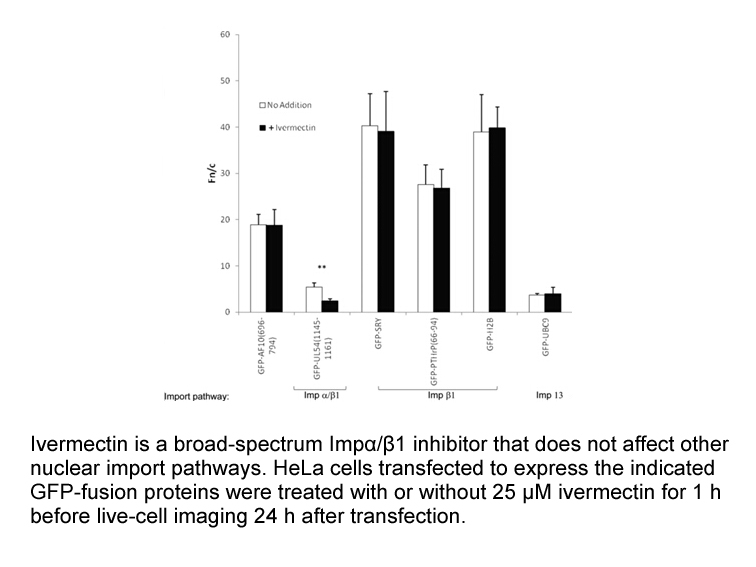
APP is a member of a conserved protein family that also includes amyloid precursor-like proteins 1 and 2 (APLP1, APLP2).8, 9, 10 The proteins in this family are type I single-pass transmembrane biotin 100 mg with receptor-like structural features but not entirely clear cellular functions.11, 12, 13
-
CGP 57380 sale Hepatic inflammation and fibrosis are hallmar
2023-08-23
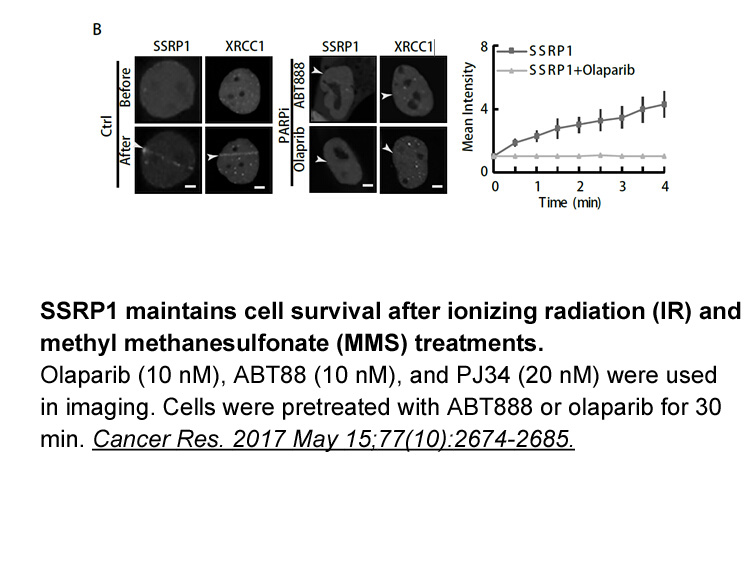
Hepatic CGP 57380 sale and fibrosis are hallmarks of the NASH phenotype and are thought to occur in a subset of patients with NAFLD. While it is hypothesized that therapeutic lowering of hepatic lipids will be sufficient to improve hepatic fibrosis and inflammation secondarily, this remains controv
-
The present study determined the effect of
2023-08-22
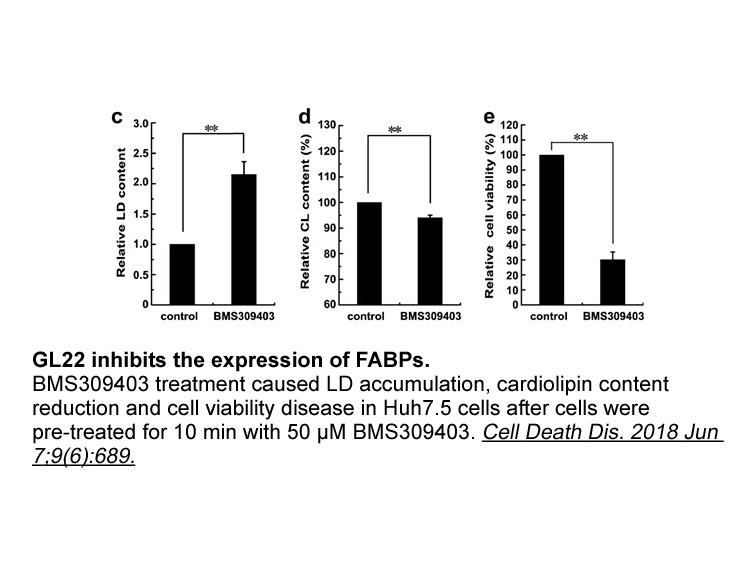
The present study determined the effect of DCA on VSMC calcification in vitro and in atherosclerotic ApoE-/- mice in vivo. We found that ldk378 non-toxic concentrations of DCA, did not affect VSMC viability, induced calcification of VSMC in culture and increased atherosclerotic vascular calcificatio
-
br Experimental section br Results and
2023-08-22
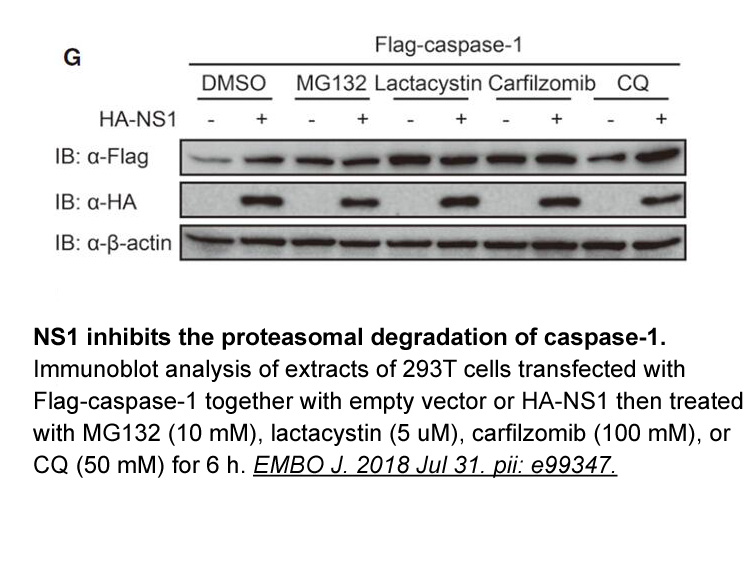
Experimental section Results and discussion Conclusion In the present study, 3a,8a-dihydroxy-8-oxo-1,3,3a,8a-tetrahydroindeno[1,2-d]imidazol-2(1H)-iminium chloride (3) has been synthesized and characterized by spectral studies and single crystal X-ray crystallography. DFT calculations have
-
Molecular docking is widely used to predict the interaction
2023-08-22
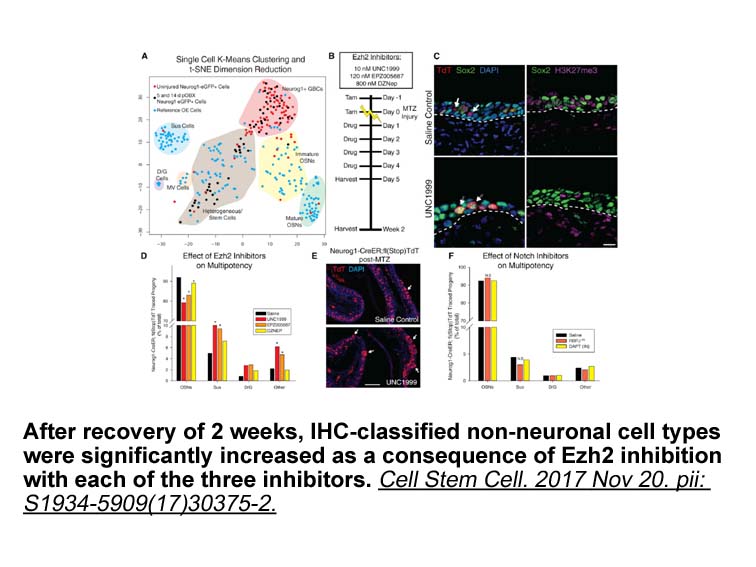
Molecular docking is widely used to predict the interaction between an enzyme and its inhibitors. This is a computational simulation approach that can be used as a tool to investigate the structure-activity relationship of ACE inhibitory peptides (Goodsell, 2009). It has been recently shown that ACE
-
Despite hydrolysis with commercial enzymes like trypsin peps
2023-08-22

Despite hydrolysis with commercial enzymes like trypsin, pepsin, Alcalase, Flavourzyme and Thermolysin have been used to digest parent proteins and generate peptides, microbial fermentation by proteolytic species has also proved to be a successful strategy (Fakhfakh et al., 2013, Jemil et al., 2016
-
hydroxydopamine OHDA is a selective catecholaminergic neurot
2023-08-22
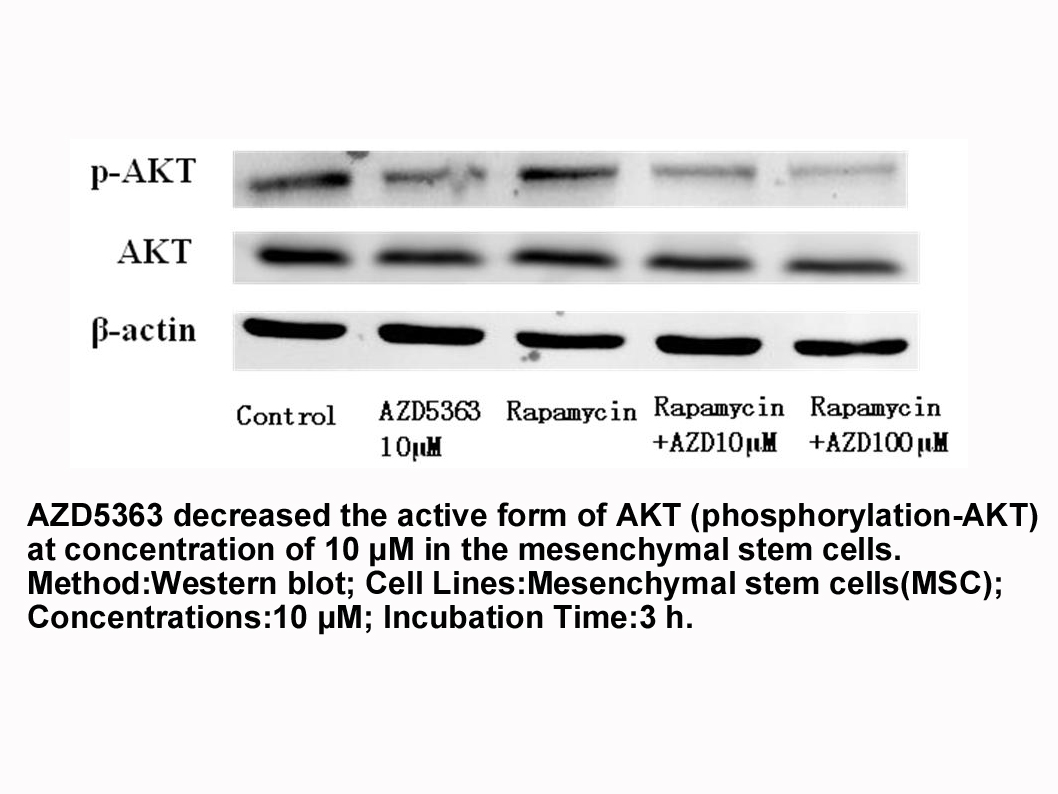
6-hydroxydopamine (6-OHDA) is a selective catecholaminergic neurotoxin mainly used to generate lesions in the nigrostriatal pathway in rats (Ungerstedt, 1968). The most common use of 6-OHDA is via unilateral injection into the rat medial forebrain bundle (MFB). DA depletion, nigral DA cell loss, and
8627 records 334/576 page Previous Next First page 上5页 331332333334335 下5页 Last page